Understanding the No-Spend Challenge
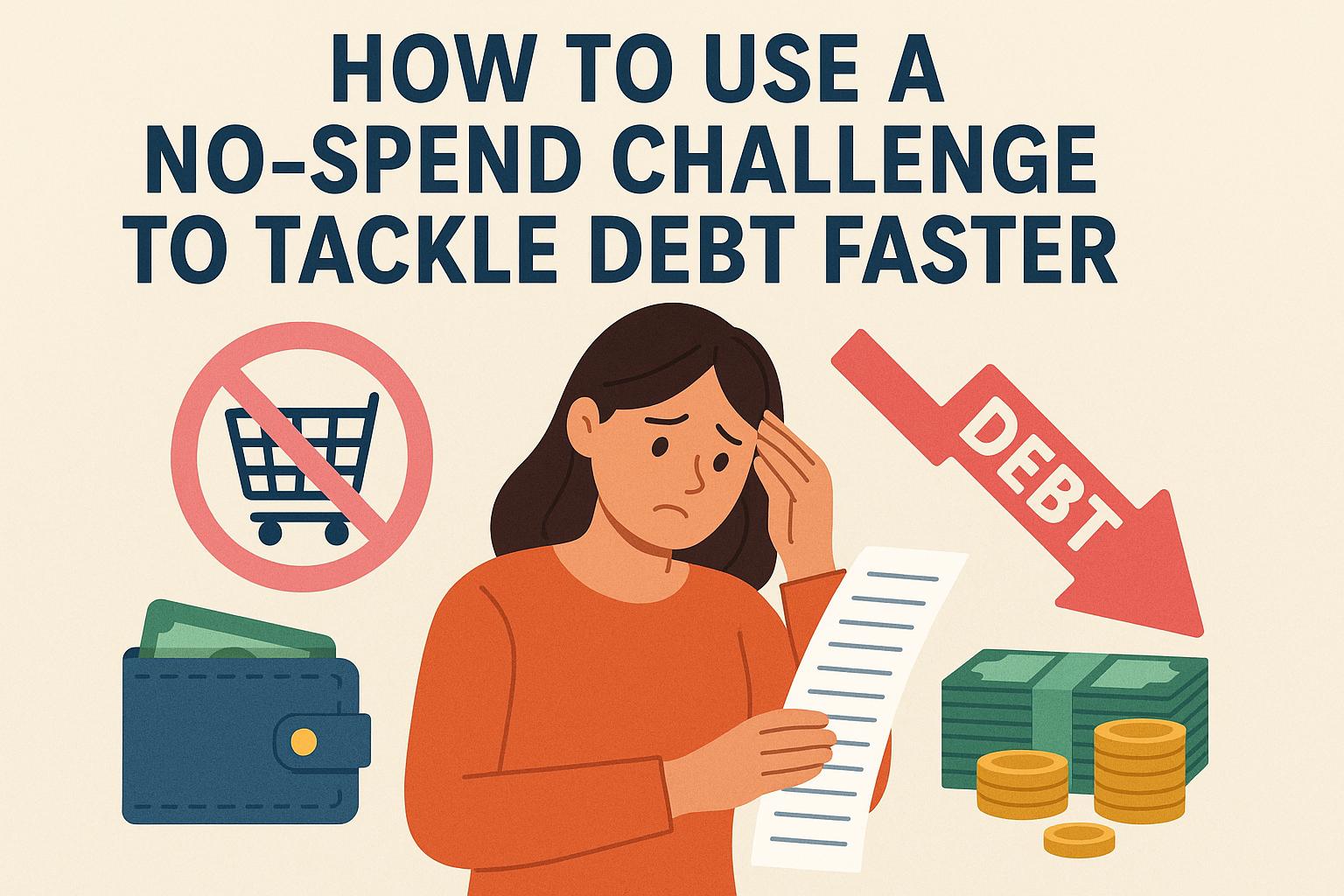
A no-spend challenge is a practical technique aimed at substantially limiting discretionary expenditure for a specific period. This strategy is specifically designed to help individuals accumulate savings rapidly, affording them the opportunity to allocate more financial resources toward addressing outstanding debt. By participating in such a challenge, individuals make a conscious decision to spend money solely on essential items, which include aspects such as housing, utilities, groceries, and healthcare.
Setting Up a No-Spend Challenge
Initiating a no-spend challenge involves establishing clear guidelines to distinguish between essential and non-essential spending. The following approach could be adopted:
1. Duration: An initial step is deciding the length of the challenge. This duration could be tailored to personal goals and current financial circumstances, whether it be a week, a month, or potentially longer.
2. Essential Items: It’s imperative to have a definitive understanding of what is considered an essential expense. Essential items often encompass rent or mortgage payments, utility bills, groceries, and transportation costs that are deemed crucial.
3. Non-Essential Items: Another crucial step is identifying categories under which spending will be avoided. Common examples include dining out, entertainment, and non-essential shopping.
Benefits of a No-Spend Challenge
Engaging in a no-spend challenge predominantly offers two notable benefits, particularly when addressing debt.
Increased Savings: By eliminating expenditures on non-essential items, there is the potential to accumulate savings at a much faster rate. This additional capital can be successfully redirected towards reducing existing debt burdens.
Spending Awareness: Immersion in a no-spend challenge heightens awareness regarding individual spending habits. Such increased awareness is instrumental in identifying consistent savings opportunities that can be maintained even once the challenge concludes.
Maximizing Debt Reduction
To maximize the utility of the savings accrued, it’s beneficial to apply several focused strategies in the context of debt reduction:
Debt Prioritization: Utilizing the savings garnered during the no-spend challenge to prioritize repayments of high-interest debts is advantageous. Addressing these debts initially assists in diminishing the compounding interest that accumulates over time.
Regular Payment Schedule: It is also beneficial to allocate saved funds towards making additional debt payments. Doing so can substantially shorten the debt repayment timeline, consequently reducing the overall interest obligations.
Tracking Progress
An integral component to the success of a no-spend challenge is the careful monitoring of progress:
Keep Records: One method to track progress effectively is by collecting receipts and maintaining account statements. By doing this, individuals are able to systematically analyze spending patterns and accurately calculate the total savings achieved from the challenge.
Review and Adjust: Once the challenge concludes, it is pivotal to review the progress made and subsequently adjust future budgets to reinforce ongoing debt reduction efforts.
Additional Resources
For those interested in further enriching their knowledge regarding finance and strategies for debt reduction, additional resources such as financial planners and debt management services may prove beneficial. A recommended resource for educational materials on personal finance and debt management is the Consumer Financial Protection Bureau. The availability of such resources can provide invaluable support and guidance for individuals pursuing financial improvement and stability.