Understand Your Financial Situation
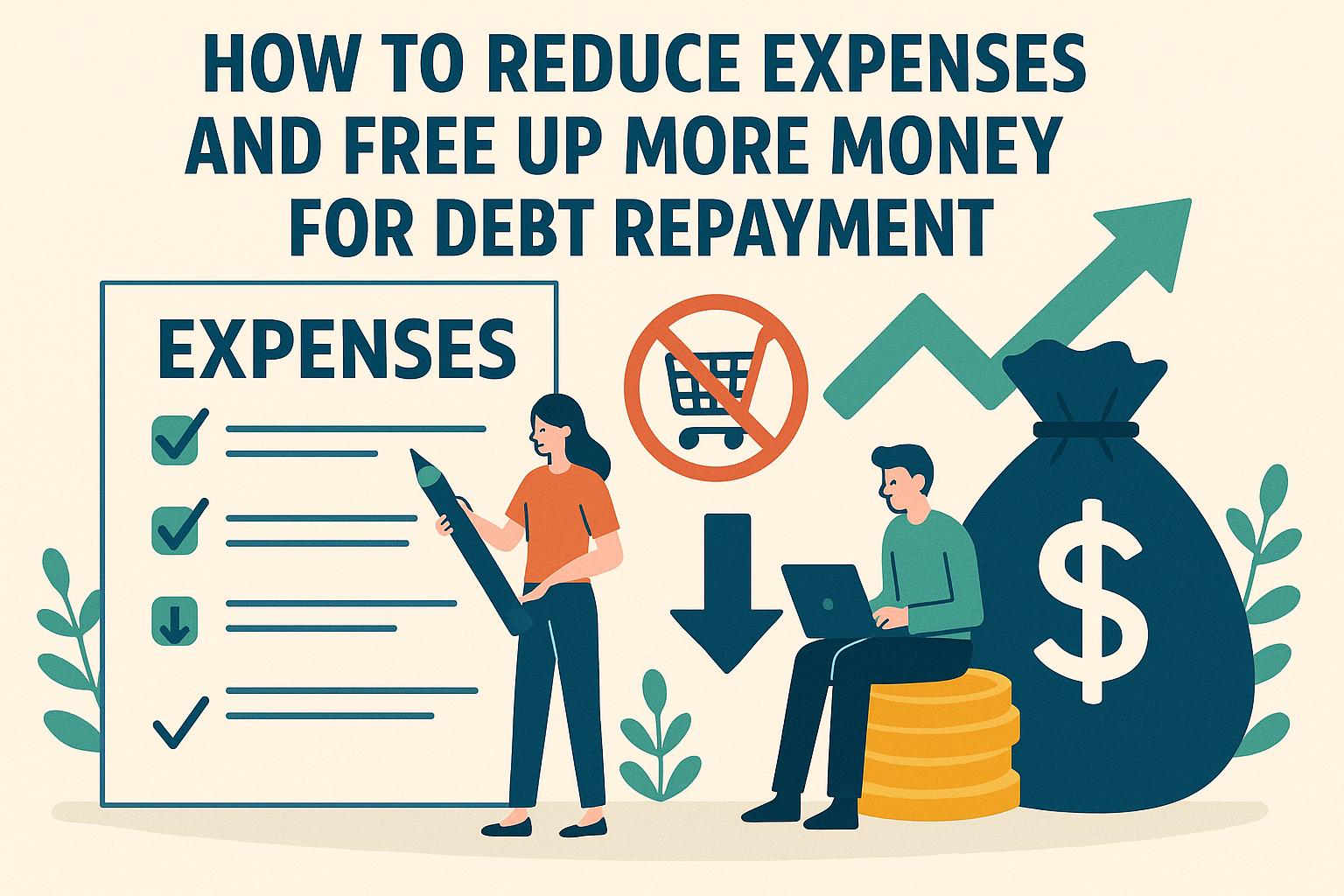
To effectively reduce expenses and create more available funds for debt repayment, it is imperative to have a comprehensive understanding of your financial landscape. Begin by analyzing your income, fixed expenses, and variable expenses. This process involves an in-depth examination of all your financial resources and obligations. Start with tracking all sources of income, which may include salaries, investments, or any other revenue streams. Once you have a detailed account of your income, move on to categorize your expenses. These can be broadly divided into fixed expenses, such as rent or mortgage and utility bills, and variable expenses, which might include groceries, entertainment, and other discretionary spending.
This initial analysis lays the groundwork for identifying areas where expense reductions are possible. With a clear picture of your financial situation, you can make informed decisions to curtail unnecessary spending and allocate more resources toward debt repayment.
Identify Unnecessary Expenses
A critical step in tightening your financial belt is to scrutinize your monthly expenditures. This scrutiny involves distinguishing between essential and non-essential expenditures. Often, discretionary spending—those categorized under entertainment, dining out, and subscriptions—can be adjusted or reduced. Evaluate each expense and make a clear distinction between wants and needs.
Focus your efforts on trimming the wants, as these are the areas where the most significant savings can typically be achieved. This strategic reduction in spending will not only stretch your budget further but also allow you to redirect those funds towards reducing your financial liabilities.
Cut Back on Utility Bills
Utility bills can sometimes be surprisingly high, but they often present opportunities for cost savings. Implementing a few simple strategies can substantially reduce these expenses. Begin by cultivating energy-saving habits such as switching off lights and electronic devices when not in use. Invest in energy-efficient appliances that, despite an initial outlay, will save money over time.
Adjusting your thermostat to more moderate temperatures can also yield savings on heating and cooling costs. Additionally, shop around for the best prices from different utility providers; even small differences can add up to significant annual savings.
Assess Your Subscriptions
In today’s digital age, subscriptions are ubiquitous but often overlooked as a source of unnecessary spending. Assess your subscriptions—including streaming services, magazines, and clubs—and evaluate their true value to you. Consider the frequency of use and whether the subscription enhances your quality of life.
Cancel any services that do not provide substantial value. This step can free up funds without significantly impacting your lifestyle, all while contributing to an increase in available resources for debt repayment.
Plan Your Meals
The cost of food is a major component of household expenses. Mitigating these costs requires a proactive approach to meal planning. Develop a weekly meal plan that allows you to manage grocery bills effectively while minimizing the temptation to eat out.
Prepare a comprehensive shopping list to ensure that each trip to the grocery store is purposeful, preventing impulse buys that lead to waste. Cooking in bulk and wisely utilizing leftovers are additional techniques to reduce food waste and lower overall food expenses.
Use Public Transportation
Transportation costs are another area where significant savings can be achieved. Utilizing public transportation can drastically reduce expenses compared to owning or leasing a vehicle. For those for whom public transportation is not feasible, consider ride-sharing or carpooling as a cost-efficient alternative.
Regular maintenance checks on your vehicle can also help improve its fuel efficiency and reduce long-term repair costs, further optimizing your transportation budget.
Negotiate and Shop Smart
Negotiation is a powerful tool in reducing monthly expenses. Reach out to your service providers, including internet, insurance, and phone companies, to inquire about potential discounts or better rates. Skills in negotiation can lead to notable savings over time.
Simultaneously, practice smart shopping habits. Always compare prices and look for discounts or promotional offers before making a purchase. Additionally, taking advantage of coupons and cash-back deals can compound savings, allowing for more resources to be allocated toward debt repayment.
Create a Budget
Creating a detailed budget is instrumental in managing your financial situation efficiently. A budget allows you to allocate a portion of your income specifically towards debt repayment while keeping track of your spending patterns.
This structured approach helps maintain a clear focus on financial goals and ensures consistent progress toward reducing debt. Regularly reviewing and adjusting your budget will keep your financial plan dynamic and responsive to changes in your financial circumstances.
Set Clear Financial Goals
The establishment of clear financial goals provides a roadmap and motivation necessary for financial discipline. Whether it involves eliminating a specific debt by a designated date or achieving financial independence, having well-defined targets is key.
Such goals serve as benchmarks to track progress and maintain momentum in your budgeting and spending habits, ultimately fostering a commitment to a sustainable and debt-free lifestyle.
Utilize Found Money
Unexpected financial windfalls such as tax refunds, bonuses, or gifts offer an excellent opportunity to accelerate debt repayment. Allocating these funds exclusively toward debt reduction contributes to diminishing your liabilities more swiftly without affecting your daily budget.
This practice can significantly bolster your efforts toward financial liberation, ensuring more rapid progress toward achieving financial goals.
In conclusion, acquiring a thorough understanding of your financial situation, working diligently to reduce non-essential expenses, and engaging in strategic financial planning can collectively enhance your ability to allocate more funds toward debt repayment. Consistently monitoring and fine-tuning your budget as needed will enable sustained progress, facilitating your journey toward long-term financial stability.