Assess Your Financial Situation
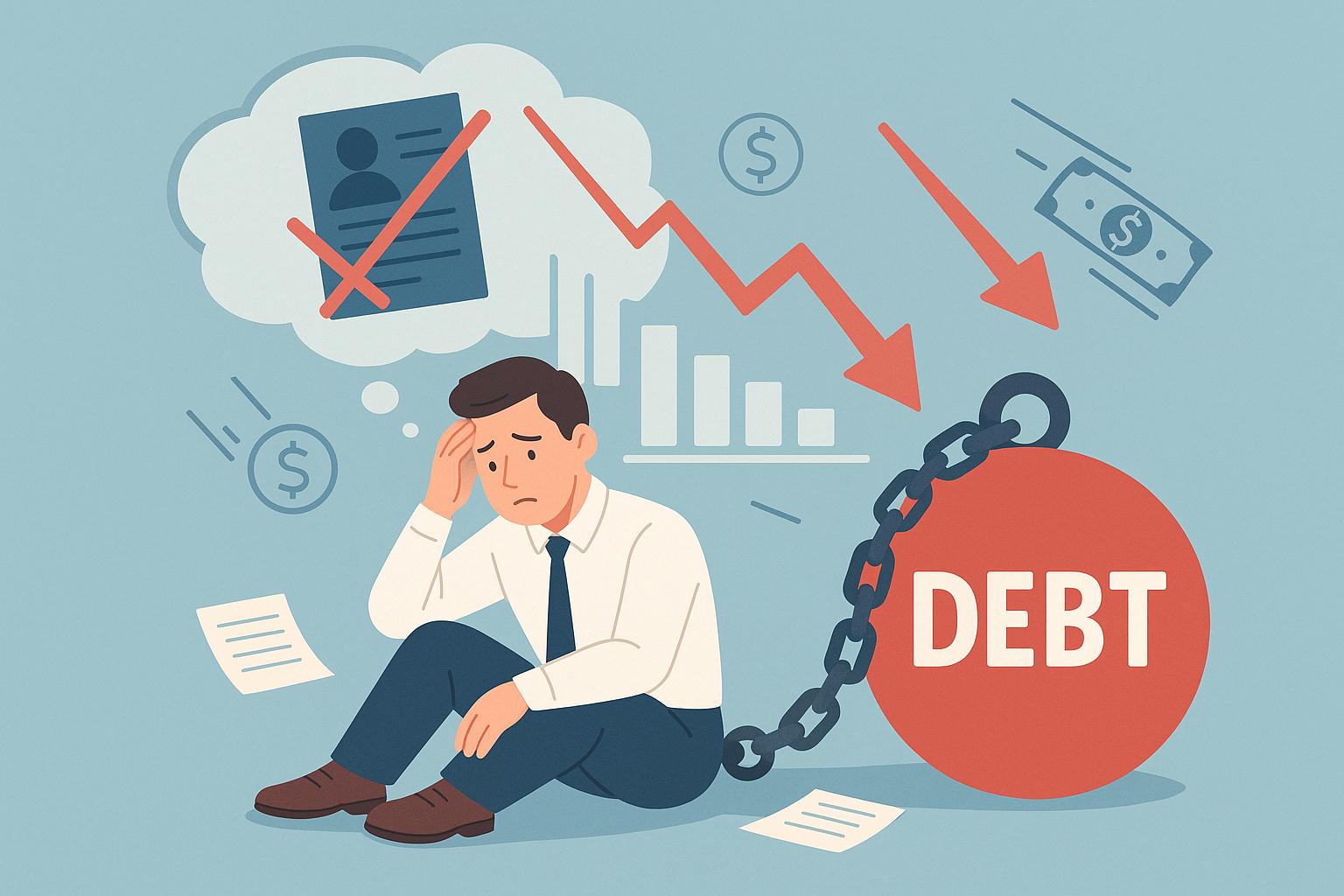
Facing a job loss or a significant drop in income can be challenging, particularly when managing existing debt. The first step in handling debt under these circumstances is to assess your current financial situation. Begin by calculating all sources of income, including savings and any potential unemployment benefits. Then, list your essential expenses such as housing, utilities, and groceries. Understanding your financial baseline will inform the necessary adjustments.
To navigate financial adversity effectively, start by collecting detailed information about your income. Calculate your totals for all incoming funds, including salaries, freelance earnings, side gigs, savings, and any potential unemployment benefits. This will help you see your complete earnings picture.
Subsequently, produce a thorough list of your essential monthly expenses. These typically involve housing costs, which could be rent or mortgage payments, utility bills like electricity, water, and internet, and essential groceries for food and household necessities. Don’t forget about expenses related to transportation, which might include gas, public transit, or car maintenance, and healthcare costs like insurance premiums or medicine.
With this detailed overview of your financial situation, it’s crucial to regularly review and adjust your figures. Income streams might change, or new expenses may arise. By keeping this assessment up to date, you ensure that your financial plan remains relevant and effective in guiding your spending and debt repayment strategies.
Create a Budget
Once you have clarity on your financial situation, the next logical step is to create a budget. This financial plan should prioritize essential expenses while also incorporating any debt payments. The key to effective budgeting, especially during financial hardship, lies in distinguishing between essential and non-essential spending. By identifying non-essential expenses, opportunities arise to reduce spending and allow more of your reduced income to be allocated to necessary areas. Prioritize expenses such as housing, utilities, and food as these are fundamental to daily living.
Formulating a budget without reservations helps in fostering financial discipline. Use tools like spreadsheets or budgeting apps to track each category of expense against your income. By doing so, you not only monitor your expenditure but also adjust your spending pattern as needed over time.
Incorporating debt payments into your budget is essential. Even if you are unable to pay the full amount, try to allocate some funds toward these payments. Small, consistent contributions can prevent the debt from growing due to accumulating interest and can also demonstrate a good faith effort to your creditors.
Contact Creditors and Lenders
Proactive engagement with creditors and lenders can greatly help in avoiding default or incurring late payment penalties. Given the temporary nature of your financial difficulties, many financial institutions may offer customized hardship programs designed to provide some breathing space.
Contact your creditors directly to inquire about potential accommodations such as payment deferrals, reduced interest rates, or extended repayment terms. When doing so, prepare to explain your financial situation clearly and concisely, highlighting any changes in your income. This transparency is often appreciated and can lead to more favorable negotiation outcomes.
Open communication is crucial and reflects your commitment to resolving the situation. Creditors frequently prefer working with clients who are upfront about their challenges and willing to collaborate on a solution. Ensuring you maintain a respectful and cooperative dialogue can make creditors and lenders more amenable to accommodating your needs.
Explore Debt Relief Options
For individuals finding debt management increasingly overwhelming, exploring debt relief options may become necessary. One effective strategy is through a debt consolidation loan, which combines multiple debts into a single payment, typically at a lower interest rate. This simplifies financial management and can reduce the total amount of interest paid over time.
Alternatively, a credit counseling service can offer personalized financial guidance. These professionals assess personal financial circumstances and help negotiate with creditors on your behalf. It’s important, however, to ensure that anyone you enlist is reputable. Seek certified organizations, ideally ones associated with the National Foundation for Credit Counseling or similar bodies.
Remember that while debt relief options offer immediate help, they do not eliminate the financial obligation. Consider these choices carefully, reviewing the terms and long-term implications.
Seek Government Assistance and Community Resources
During times of financial hardship, leveraging available governmental and community resources can provide significant help. For example, unemployment benefits can help cover essentials during a job loss. Additionally, food assistance programs might offer necessities, and utility assistance can alleviate some financial burden associated with basic living expenses.
To make the most of these resources, research the types of support available in your state as they can vary substantially. Gathering all required documentation for application processes can expedite your access to necessary assistance.
Beyond government help, look to community organizations that provide complimentary financial counseling and support services. Many non-profit organizations have the specific mission to assist individuals navigating financial difficulties with resources and advice tailored to improving individual circumstances.
Focus on Building a Safety Net
Alongside managing existing debt, it’s also important to focus on establishing a financial safety net for the future. A modest emergency fund, built gradually, can provide a cushion against future financial disruptions.
Start by setting aside a small portion of your income or unemployment benefits, aiming to save regularly even when the amounts seem insignificant. Over time, these savings can accumulate into a fund capable of easing the pressures of unforeseen circumstances, such as sudden medical expenses or car repairs.
Building this safety net requires discipline in maintaining your budget and prioritizing savings. Consider automating savings contributions where possible, thereby reducing the temptation to skip allocations for short-term spending. These efforts, though perhaps challenging at first, contribute to longer-term financial resilience.
For more detailed advice on handling personal finances during challenging times, visit [this resource](https://www.financialhelpwebsite.com). Remember, taking proactive steps and seeking assistance can greatly aid in managing debt during a job loss or income reduction.