Understanding the Cycle of Debt
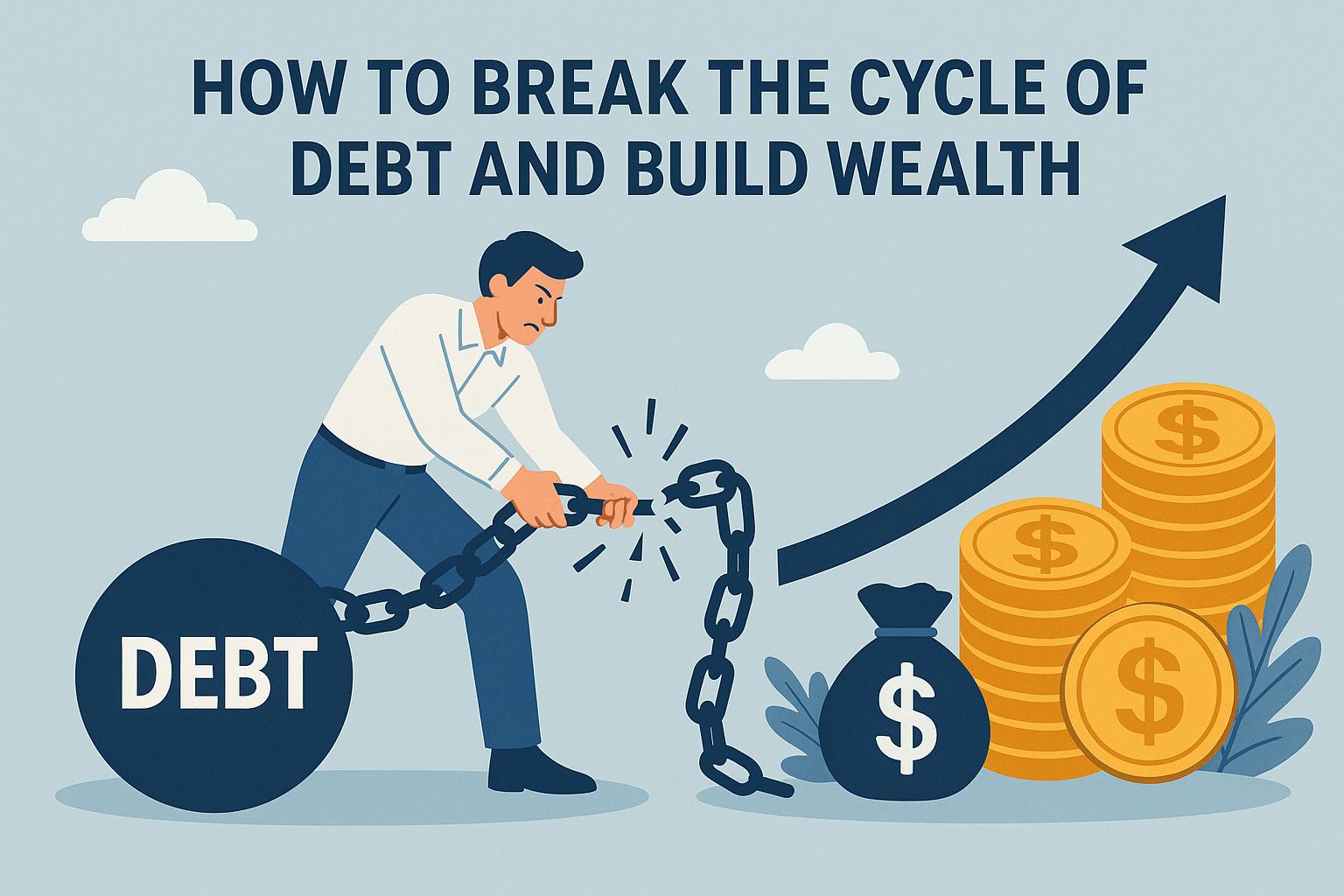
To effectively break the cycle of debt and begin building wealth, it’s crucial to gain a comprehensive understanding of how debt operates and how it perpetuates itself. The cycle of debt typically begins with the act of borrowing money, which then results in repayments that include interest. Over time, individuals find themselves needing to borrow more to meet ongoing financial obligations, which in turn accelerates their debt burden.
Identifying Root Causes of Debt
To tackle debt effectively, it is important to identify the foundational causes contributing to this cycle. Various factors can propel individuals towards accumulating unmanageable debt, including inadequate income, unforeseen expenses, lack of budgeting skills, and high-interest rates. Understanding these origins is pivotal in developing effective strategies to mitigate further debt accumulation.
Inadequate Income: A significant number of individuals find themselves trapped in a debt cycle due to their earnings not covering essential daily expenses. When the income doesn’t match the outflow, many rely on credit to bridge the gap, thereby unknowingly increasing their financial burden.
Unforeseen Expenses: Life is replete with unexpected events such as medical emergencies, vehicle repairs, or sudden travel requirements. These unforeseen expenses often prompt additional borrowing, thereby deepening the debt abyss.
Poor Financial Management: Effective financial management is fundamental in preventing spiraling debt. A lack of budget planning and financial insight often leads to overspending, where expenditures exceed income, leaving individuals vulnerable to falling into debt.
High-Interest Rates: Credit cards and certain loan agreements often come with high-interest rates, making it difficult for individuals to make significant headway in repaying the principal amount. Such interest rates can quickly amplify debt levels, making repayment a daunting task.
Establishing a Debt Reduction Plan
Effectively managing and eventually eliminating debt requires a well-devised, structured plan. Several key components are essential in developing a viable debt reduction strategy:
Assess Your Debts: Begin by comprehensively assessing all existing debts to thoroughly understand your total liabilities, including associated interest rates and minimum monthly payments. This clarity is a crucial initial step in outlining an effective plan.
Prioritize Your Debts: Sorting your debts based on priority can streamline the repayment process. Focusing on debts with the highest interest rates while making minimum payments on others can reduce the overall interest paid and accelerate debt elimination.
Set Realistic Goals: The establishment of practical and achievable debt reduction goals, woven into a defined timeline, provides the direction and motivation necessary to stay on track with repayments.
Creating a Sustainable Budget
A sustainable budget acts as a safeguard against falling back into debt. Establishing and strictly adhering to a budget involves several key steps:
– Monitor monthly income against outgoings to ensure that spending does not surpass earnings.
– Identify areas within your expenditures that can be curtailed, allowing for additional funds to be redirected towards repaying existing debt.
– Dedicate a portion of income to an emergency savings fund to cover potential unforeseen expenses so as not to disrupt the budget.
Exploring Additional Income Opportunities
Achieving financial stability requires not only prudent management of existing funds but also exploring avenues to enhance income inflow. These additional income streams can significantly contribute to debt repayment and future wealth building.
Part-time Employment or Freelancing: Engaging in part-time work or freelance gigs can provide a supplementary income that assists in augmenting primary income sources. The flexibility of freelancing, in particular, allows for income generation alongside regular employment.
Invest in Skills Development: Investing in further skills development or educational endeavors can enhance employability and tap into opportunities for career advancement. This could potentially result in increased earnings, thus bolstering financial standing.
Investing in Long-Term Wealth Building
Once debt is under control or completely eliminated, the focus should transition towards building long-term wealth through strategic investments and financial planning. Steps to consider in this context include:
Establish an Emergency Fund: Building an emergency fund to cover between three to six months of living expenses provides a financial buffer against unforeseen circumstances without resorting to additional borrowing.
Contribute to Retirement Accounts: Allocating portions of income to retirement accounts, such as 401(k) or IRA, can capitalize on the benefits of compound interest, optimizing savings for post-retirement years.
Diversified Investment Options: Engaging in diverse investment opportunities, including stocks, bonds, or real estate, offers potential for wealth accumulation. Diversification minimizes risk and can enhance overall financial growth over the long term.
For those seeking more detailed guides on financial planning, resources such as NerdWallet or Kiplinger provide comprehensive insights and expert perspectives.
Final Thoughts
The journey to break free from the cycle of debt and transition towards building wealth is a gradual process necessitating discipline, well-thought-out planning, and unwavering commitment. Employing the right strategies combined with an adaptable mindset can lead to achieving financial stability. As individuals work diligently towards managing their debts and securing their financial future, they pave the way for long-term economic well-being.