Understanding the Cycle of Debt
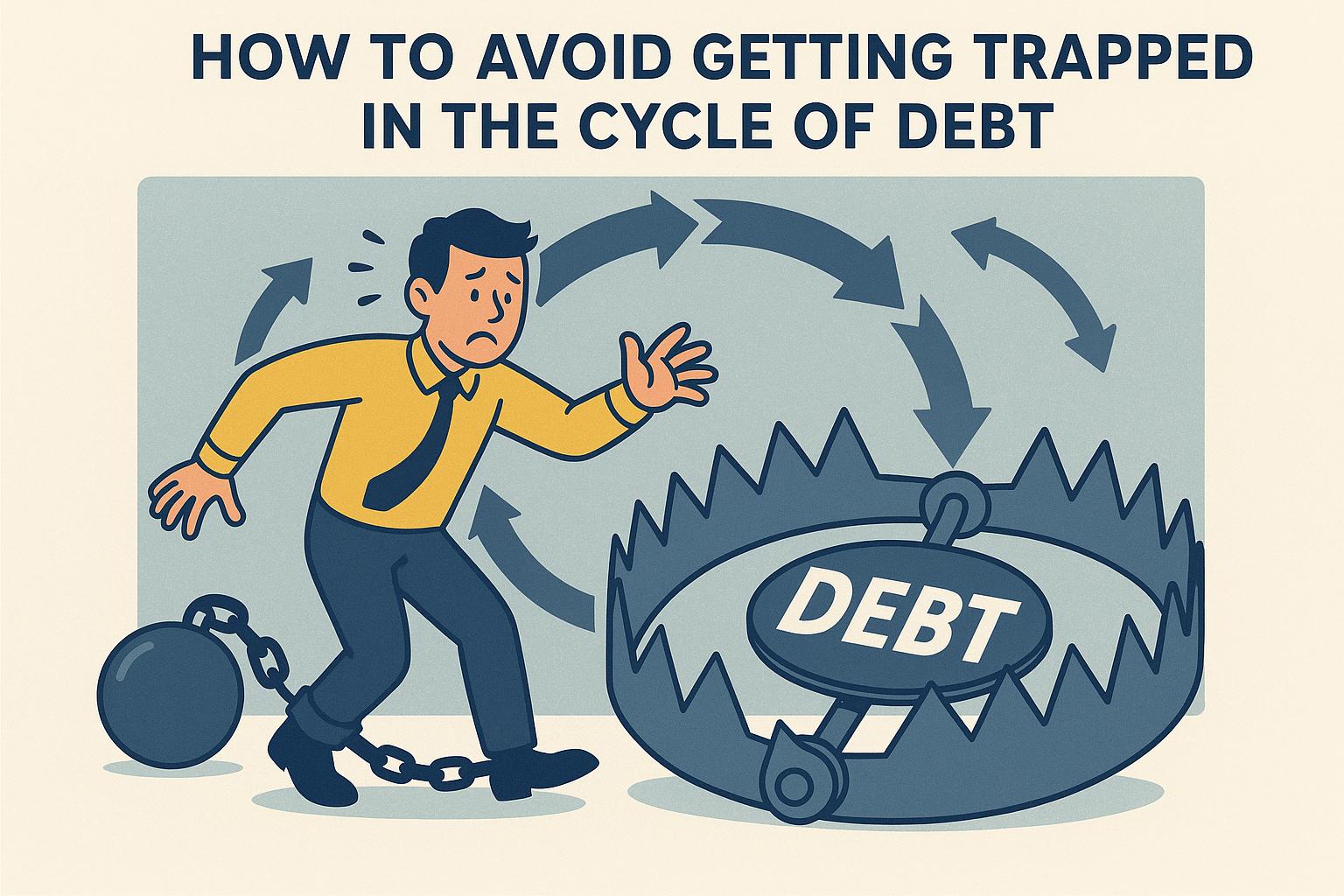
Debt can serve as a valuable financial instrument for accomplishing various objectives, such as purchasing a home, funding education, or starting a business. However, without meticulous management, debt can spiral into a problematic cycle, often referred to as the “cycle of debt.” This cycle typically begins when an individual becomes overly dependent on credit to satisfy financial obligations without a robust repayment strategy in place. This dependency can quickly devolve into a precarious situation, as the habit of borrowing compounds, leading to increased financial liabilities and stress.
Recognizing the Signs of Debt Entrapment
One of the most effective ways to avoid becoming ensnared in a cycle of debt is to identify the warning signs early. These indicators may include situations where an individual consistently spends more than they earn or frequently applies for new loans to settle existing ones. Additionally, if credit card payments are made only at the minimum level, it is a telltale sign of financial strain. Maintaining low payments over an extended period could signify growing credit dependence, which is often an alarmingly significant red flag.
Develop a Budget
Developing a comprehensive budget is fundamental to safeguarding against debt entrapment. This process involves delineating all income sources while meticulously tracking expenditures. By doing so, individuals obtain a more transparent view of their financial status and are better equipped to align spending with long-term financial objectives. Budgeting tools, including digital apps, can further facilitate a disciplined approach to financial management by offering clarity and structure.
Build an Emergency Fund
An emergency fund is an integral element of any sound financial strategy. Acting as a safety net, this fund provides a reserve of money that can cover unforeseen events, thus reducing the need to resort to credit. These unexpected situations can encompass a wide range of scenarios, such as medical emergencies, sudden unemployment, or urgent car repairs. As a rule of thumb, aiming to save three to six months’ worth of living expenses can create a substantial financial buffer.
Limit the Use of Credit
Another crucial tactic in avoiding unnecessary debt is to curtail the use of credit. This approach includes using credit cards solely for purchases that have been pre-planned and for which funds are available to pay off the balance in full by the end of the month. By adopting this approach, individuals can evade interest charges and keep debt within manageable limits. This practice empowers individuals to use credit responsibly without exacerbating financial strain.
Prioritize Debt Repayment
Prioritizing debt repayment can significantly expedite an individual’s journey towards financial freedom. By directing additional funds towards existing debts, individuals can reduce their debt burden more swiftly. Two prevalent strategies include the debt snowball and debt avalanche methods. The debt snowball strategy focuses on settling the smallest debts first, which can provide a motivating sense of accomplishment. Conversely, the debt avalanche method targets higher interest debts initially, potentially saving more money in interest over the long term. Both methods can be effective, depending on personal preferences and financial circumstances.
Seek Professional Advice
When debt becomes overwhelming, consulting with a professional can offer much-needed guidance. Financial advisors and credit counseling services are equipped to deliver tailored strategies and insights for effective debt management. It is essential to choose reputable sources for financial advice. Oftentimes, these professionals evaluate an individual’s financial situation comprehensively and provide customized solutions to help manage or alleviate debt burdens. For those uncertain about selecting a financial advisor, there are numerous resources available that can provide insights into making informed choices.
Conclusion
Ultimately, avoiding the cycle of debt necessitates a proactive approach to financial management and a strong commitment to discipline. By closely monitoring spending habits, preparing for unforeseen expenses, and making debt repayment a priority, individuals can foster healthier financial habits. It is important to remember that professional help is readily available and can offer additional support for those who require it. Through diligent debt management, achieving financial stability and peace of mind are attainable objectives for anyone willing to take the necessary steps.