Understanding Your Financial Situation
Before taking the important step of engaging a financial advisor to help develop a strategy for becoming debt-free, it is necessary to gain a comprehensive understanding of your current financial situation. A clear picture of your finances begins with knowing the full extent of your debt obligations. This includes the total amount you owe, the interest rates applicable to each loan, your income, and your list of fixed and variable expenses. The initial phase involves gathering all relevant documentation. These documents might include bank statements, credit card bills, and copies of any loan agreements. Collecting this information will enable you to compile a complete view of your financial standing, providing a solid foundation for future planning.
Choosing a Qualified Financial Advisor
The selection of an appropriate financial advisor plays a pivotal role in successfully formulating and implementing a debt-free strategy. Seeking qualified candidates involves looking for certified professionals such as CFP® (Certified Financial Planner) or personal finance specialists with a track record of success. The credibility of an advisor can be verified through reputable sources; checking their certification status and history is a critical step. Moreover, gathering reviews or seeking recommendations from people you trust can provide insights into their expertise and approach. It is also important for the advisor to have substantial experience in debt management and the ability to deliver customized solutions tailored to your needs.
Initial Consultation
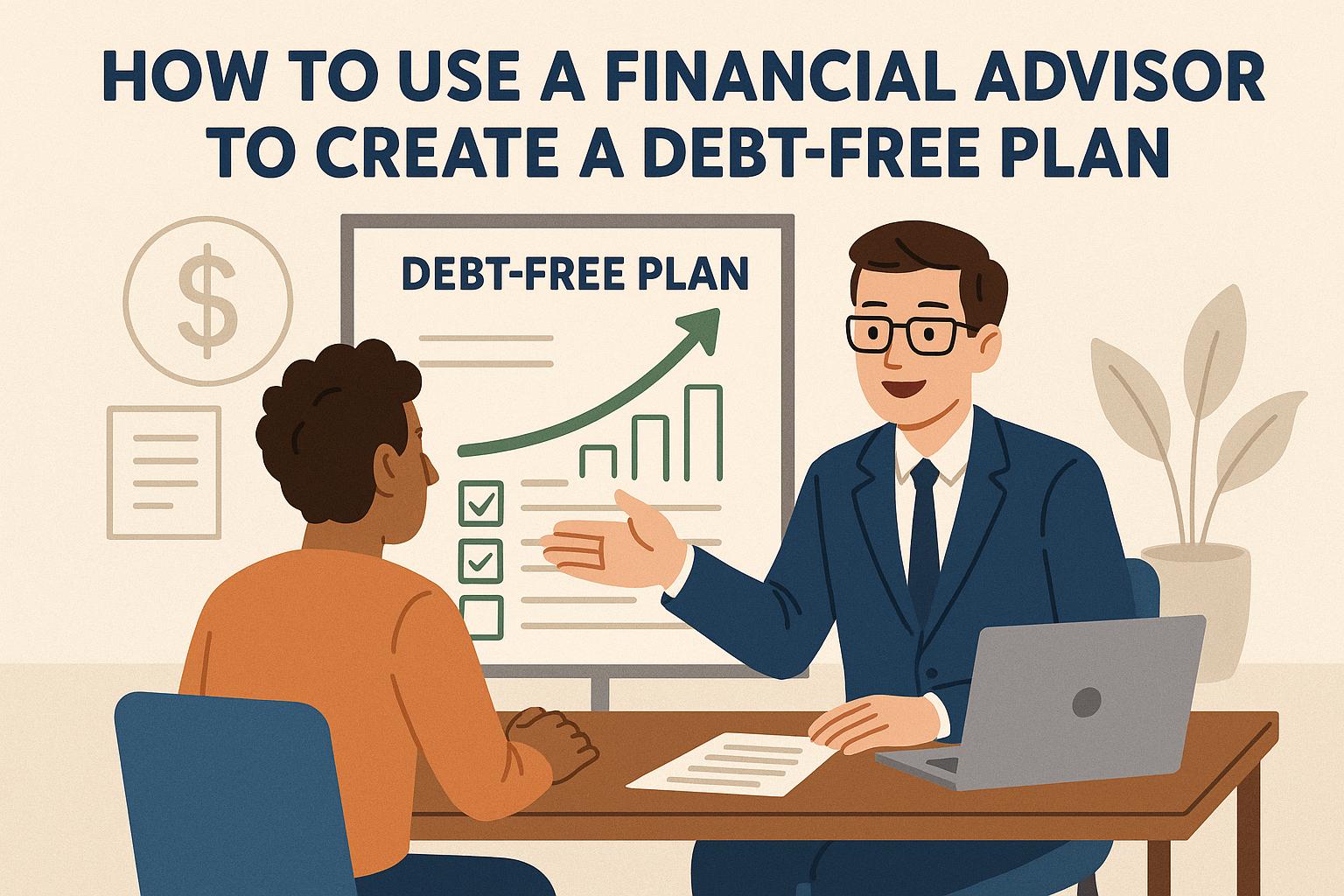
The first meeting with a financial advisor typically involves a detailed discussion about your financial objectives and current debt challenges. It is important to be prepared to share comprehensive details about your financial circumstances, including your income, various expenses, and the specifics of any existing debt obligations. This initial consultation serves as an opportunity to build a meaningful working relationship with your advisor. It is vital to communicate openly so that the advisor clearly understands your goals and aspirations.
Debt Analysis and Strategy Development
Following the initial consultation, the advisor will perform an in-depth analysis of your debt situation. This evaluation process often involves examining factors such as interest rates, loan terms, and repayment schedules. With this information in hand, the advisor will formulate a strategic plan designed to address your unique circumstances. The proposed strategy may include options such as consolidating multiple loans into a single debt, negotiating more favorable terms with creditors, or establishing automatic payment plans to ensure consistent progress toward debt reduction.
Implementing the Debt-Free Plan
With a strategy in place, the next step involves putting the plan into action. Implementation may require restructuring existing debt, devising a workable budget, and possibly opening new financial accounts to facilitate improved management. During this phase, the financial advisor’s role is to provide guidance, support, and motivation. Ensuring adherence to the plan is essential, and the advisor should be responsive to any necessary adjustments as circumstances evolve.
Regular Monitoring and Adjustments
A critical aspect of collaborating with a financial advisor is the ongoing monitoring of your progress toward achieving a debt-free status. Routine check-ins with your advisor will ensure the plan remains on track and allows for adjustments in response to changes in your financial situation. Such changes might include unforeseen expenses, fluctuations in your income, or other financial events demanding reevaluation of the plan. Regular monitoring thus ensures flexibility and resilience in the face of challenges.
In conclusion, a debt-free future can become a reality through careful preparation, informed decision-making, and consistent effort. For additional insights into debt management and financial planning strategies, consider researching resources provided by financial institutions or certified financial planners. Ultimately, by staying proactive and adaptable, and by collaborating effectively with your advisor, you can cultivate a more secure financial future free from the burdens of debt.