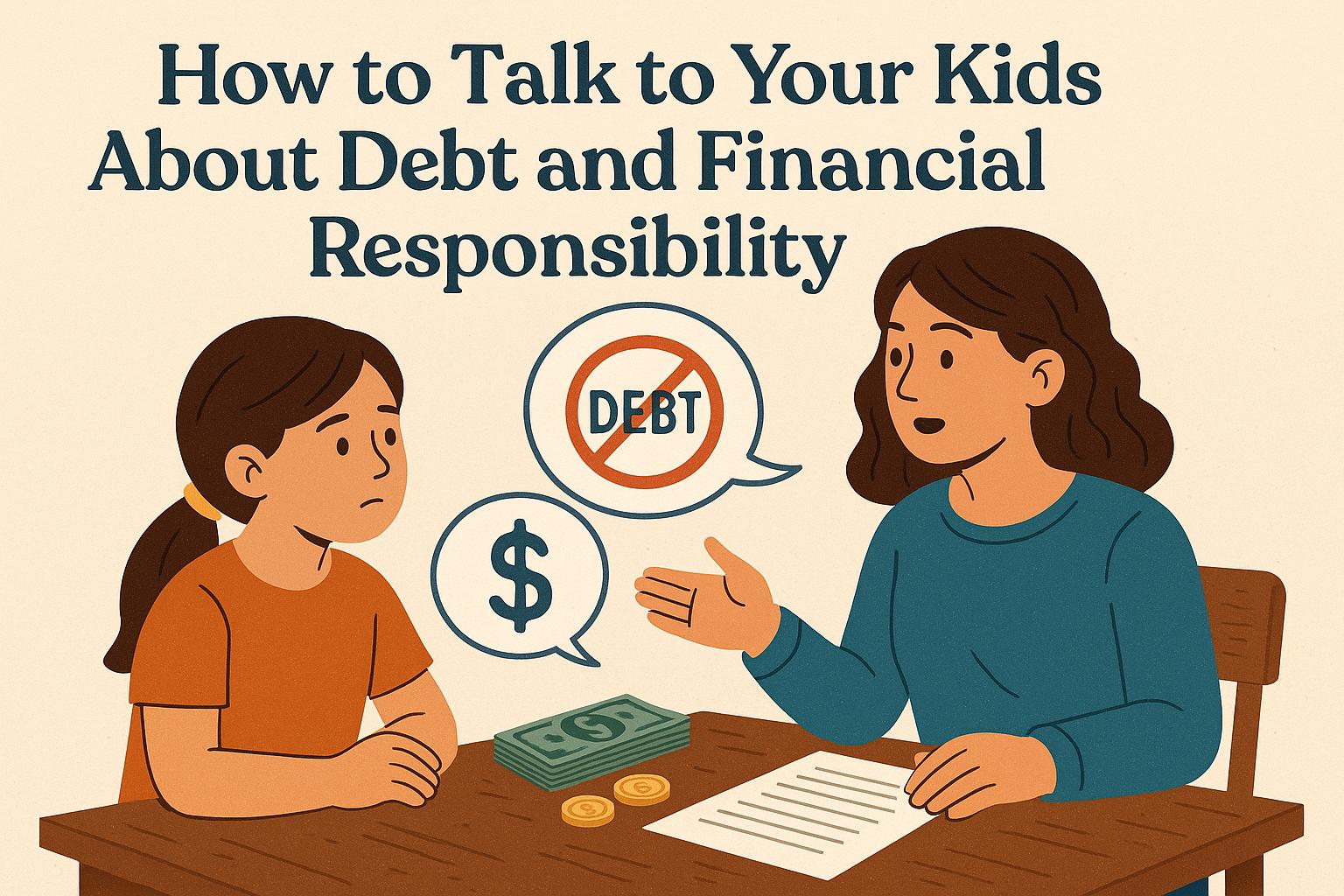
Understanding Debt and Financial Responsibility
As a parent, it’s crucial to instill financial literacy in your children, including knowledge about debt and financial responsibility. Understanding these concepts from an early age can pave the way for sound financial management in their future. When discussing these topics with your children, clarity and simplicity are key.
Introducing the Concept of Debt
Begin by explaining debt in simple terms. Debt occurs when you borrow money, either from a financial institution or another source, with the agreement to pay it back later. This often includes paying additional interest, which is a fee for borrowing the money. Use example scenarios, such as borrowing a toy from a friend, to make the concept relatable. This can be an engaging way to help children grasp the idea of owing something and being responsible for returning it.
Practical Examples of Debt
When your child begins to grasp the basics, introduce them to practical examples. Talk about credit cards as a form of debt, where you use the bank’s money to buy something today and promise to pay it back with interest. This helps children understand how debt is not just a verbal promise but a contractual agreement with institutions. You could also show them a utility bill, explaining how services are used now and paid for later. By using real-world examples, children can better comprehend how debt functions in everyday life.
The Lifecycle of Debt
Elaborate on how debt works over time. Explain how monthly payments are made and the impact of interest rates. You might illustrate this by showing how the longer it takes to repay a debt, the more one may end up paying due to interest. Highlight the difference between good debt, like a mortgage or student loans, and bad debt, such as high-interest credit card balances that aren’t paid off promptly. This distinction helps them understand that not all debts are detrimental if managed properly.
Importance of Financial Responsibility
Once your child understands debt, emphasize why managing debt responsibly is important. Financial responsibility means making smart choices about money, ensuring you have enough to support your needs, and avoiding unnecessary borrowing. Discuss the potential consequences of poor financial decisions, like accumulating high-interest debt or having a poor credit score. This conversation can lead to a discussion on self-control and the importance of realistic financial planning.
Instilling Good Financial Habits
Encourage good financial habits by involving your children in family budgeting activities. Show them how you allocate money for expenses, savings, and entertainment. This practice helps them see the importance of prioritizing needs over wants. Explain the concept of saving for emergencies and future goals. Understanding the principle of setting aside funds can inculcate a sense of security and forward-planning in them. You can find resources on budgeting at MyMoney.gov.
The Power of Saving
Furthermore, introduce the power of compound interest in savings. Explain how money saved in a bank account earns interest and will grow over time. Use simple math to demonstrate how small, regular savings can accumulate into a substantial amount. This understanding of saving versus spending can shape their perspectives on debt and financial security.
Encouraging Questions and Continuous Learning
Children are naturally curious, so encourage them to ask questions about the financial topics you discuss. Provide answers using age-appropriate language and continue educating them as they grow. Use resources like books and educational websites to further their understanding. A good starting point for financial literacy resources can be found at Consumer Financial Protection Bureau. Let them know that learning about money is a lifelong process, and there are always new things to discover as they progress in life.
Creating an Open Dialogue
Maintain an open dialogue with your children about money and financial challenges. Share age-appropriate stories from your own experience about successes and mistakes with money. This transparency not only strengthens your relationship but also provides them with real-life scenarios to think about. Encourage them to think critically and develop their own opinions on how to approach financial matters.
Conclusion
Discussing debt and financial responsibility with your children is a vital step towards preparing them for a financially stable future. By introducing these concepts early on and fostering an environment of ongoing discussion and learning, you help build a solid foundation for their financial knowledge. It ensures they are better equipped to make informed decisions as they become financially independent. The skills and habits they develop in their youth will guide them throughout their lives, fostering confidence and competence in managing their finances.
This proactive approach to financial education not only prepares them to lead responsible lives but also sets the stage for making constructive contributions to their community and society at large.