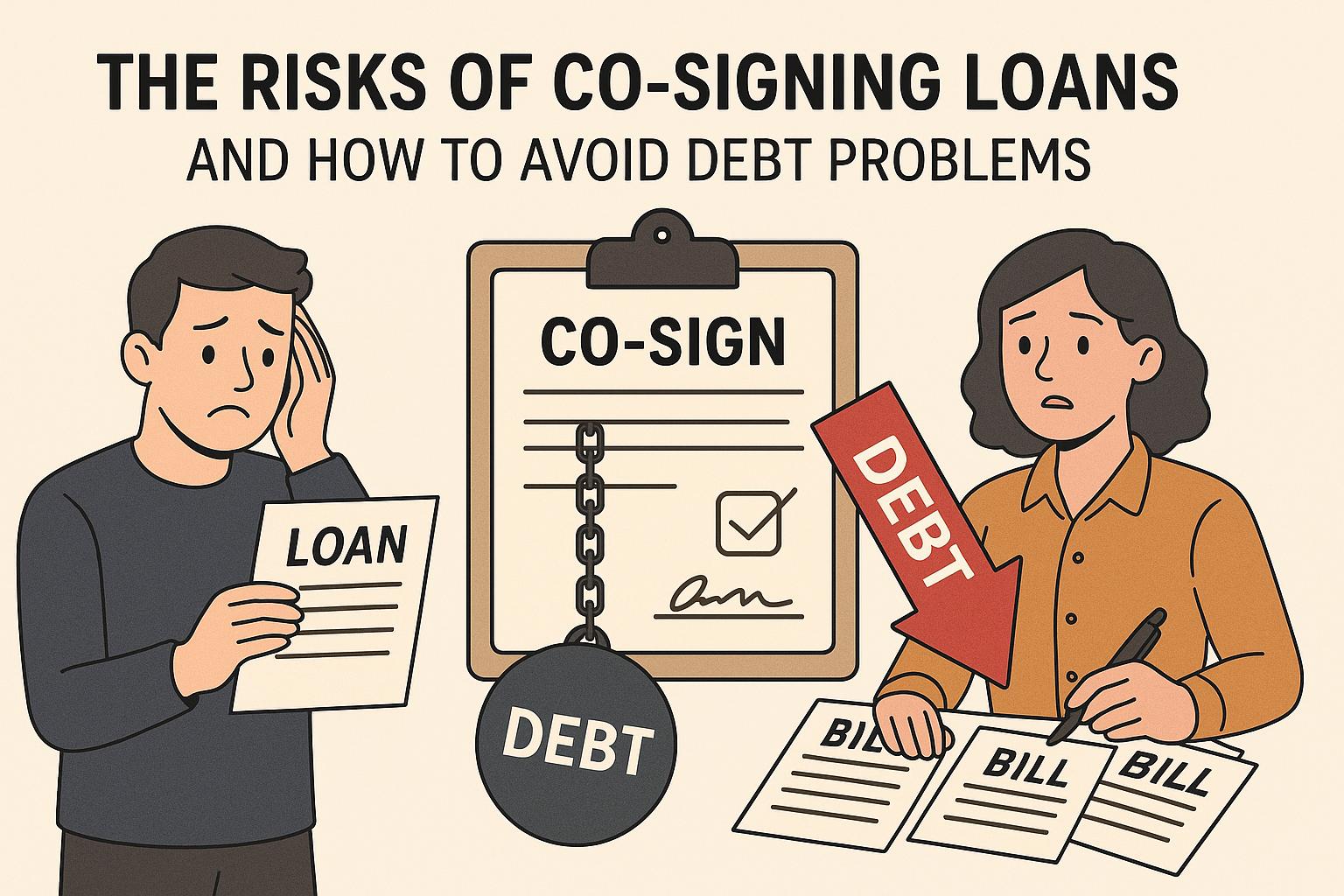
The Risks of Co-Signing Loans
Co-signing a loan for someone may seem like a supportive measure and a sign of trust, but it involves significant risks that can have long-term repercussions. It’s essential to comprehend what co-signing entails: when you co-sign a loan, you agree to be equally responsible for the debt as the primary borrower. This means that if the primary borrower fails to make the necessary payments, you are legally obligated to repay the loan in its entirety. Understanding these risks is crucial before deciding to take on the role of a co-signer.
Impact on Credit Score
One of the immediate effects of co-signing a loan is its potential impact on your credit score. This is an important factor to consider as the loan will appear on your credit report just as it does on the borrower’s. If the primary borrower makes any late payments or defaults on the loan, these negative marks will also appear on your credit history, potentially reducing your credit score. A lower credit score can not only jeopardize your ability to secure personal loans or mortgages in the future but can also result in less favorable interest rates, costing you significantly more over the length of any future credit you seek.
Responsibility for Repayment
When you agree to co-sign a loan, you are legally committing to the repayment terms outlined in the loan agreement. If the primary borrower defaults on the loan, the lender has the legal right to seek repayment from you. This responsibility can cause substantial financial strain, especially if you did not initially plan for or anticipate assuming this debt. It might force you to dip into your savings or, worse, require you to seek additional loans or credit to fulfill this obligation, potentially increasing your debt load and causing further financial stress.
Asset Risks
In cases where the loan is secured by collateral, such as a car or a house, your assets could be directly at risk if the borrower defaults. You may be required to surrender these assets to settle the debt or might face legal proceedings initiated by the lender to recover the outstanding amount on the loan. This situation can result in the loss of valuable property or a long drawn out and financially draining legal battle to resolve the issue.
Impact on Personal Relationships
One of the less tangible but equally important risks of co-signing a loan is its potential impact on personal relationships. Financial transactions, especially those involving debts, can cause tension between you and the borrower. If the borrower struggles to meet payment deadlines, this can lead to disagreements and conflict, which might strain or even irrevocably damage your relationship. Such a situation often places you in a difficult position where you must balance financial responsibilities with maintaining personal relationships.
How to Avoid Debt Problems When Co-Signing
If you are considering co-signing a loan, there are several strategies you can employ to mitigate potential problems that may arise. By taking preventative measures, you can protect both your financial standing and your relationships with those involved.
Conduct a Financial Assessment
Before agreeing to co-sign, it’s imperative to perform a comprehensive assessment of your financial situation. Evaluate whether you can bear the financial burden if the worst-case scenario occurs and you must repay the loan in full. Consider all aspects of your financial health, including your current debts, monthly expenses, income stability, and savings. Being prepared for this possibility and knowing it won’t financially devastate you is crucial.
Communicate Openly
Maintaining open and honest communication with the primary borrower is vital. Discuss and understand their financial strategy for repaying the loan and voice any concerns or questions you have from the outset. Regularly check in to get updates on the loan status and the borrower’s financial situation. This proactive communication can help identify potential problems early and prevent unexpected surprises from arising.
Obtain Copies of the Loan Agreement
Ensure you have copies of all loan documentation and stay informed about any amendments to the significant details. Thoroughly understanding the terms will help you remain aware of your obligations and any pending payments or terms that might affect you. This vigilance is crucial in ensuring you can anticipate and manage any needed responses on your part.
Limit Your Liability
Where possible, negotiate for a limited liability clause in the loan agreement. This clause can act as a safety net, capping your financial responsibility either to a specific amount or duration. Discuss this option with both the lender and the primary borrower to see if it’s a feasible condition to include in the loan agreement. Doing so can substantially mitigate the financial risk you take on by co-signing.
Consider Alternatives
If you have reservations about co-signing a loan but still wish to support the individual, consider alternatives. Assist them in applying for a smaller loan they might manage independently, or provide guidance through financial counseling. These alternatives can decrease the overall risk you incur while still supplying the needed support to the borrower.
In conclusion, co-signing a loan involves significant risks that must be carefully weighed prior to moving forward. It’s essential to evaluate these risks against the benefits of co-signing a loan, not only in terms of financial risk but also potential impacts on personal relationships. By taking a cautious, informed, and proactive approach, you can help safeguard your financial stability while extending support and assistance to those close to you who may need it. Ultimately, being well-educated on the implications can preserve both your financial health and the integrity of your relationships.