The Concept of Lifestyle Inflation
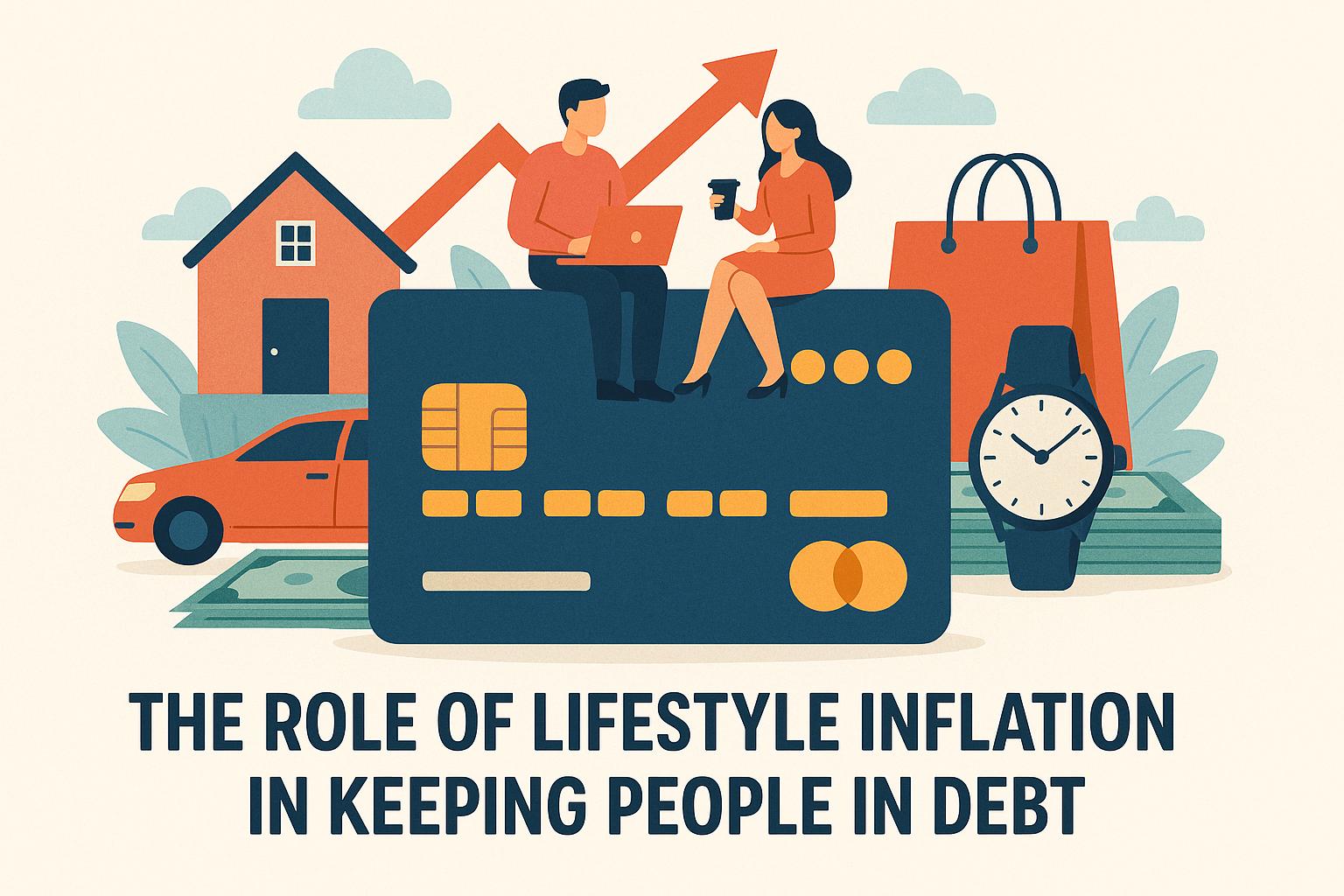
Lifestyle inflation, also known as lifestyle creep, is a common financial phenomenon where individuals increase their level of spending in tandem with rising incomes. Whether due to promotions, pay raises, or unexpected financial gains, people often find that instead of maintaining their current standard of living and saving surplus income, they escalate their expenditures. This increase in spending may encompass a range of goods and services including, but not limited to, new vehicles, culinary indulgences, luxurious vacations, and upscale housing arrangements.
The Impact on Personal Finances
The phenomenon of lifestyle inflation exerts a substantial impact on personal financial health. For many, it plays a pivotal role in perpetuating a cycle of indebtedness, as increased income leads to increased spending without a corresponding focus on saving. As a result, individuals often find that despite earning more, their financial situation remains precarious due to little to no increase in savings and, in many cases, a rise in debt levels.
Debt Accumulation becomes a prominent issue when expenditures consistently outrun income. In an effort to sustain an elevated lifestyle, individuals may resort to credit options such as credit cards or personal loans. The ease and availability of credit can thus exacerbate spending beyond one’s actual means, reinforcing the cycle of lifestyle inflation and compounding debt over time. A crucial aspect here is the psychological dimension, where access to credit creates a perceived financial buffer, leading individuals to spend more liberally than their income might allow.
Economic and Social Factors
Multiple economic and social influences underpin lifestyle inflation. The societal pressure to keep up with peers and contemporaries can compel individuals to match or exceed the spending habits of their social circle. This phenomenon is not just rooted in rivalry but often stems from a social norm where possessions and experiences are erroneously equated with success and validation. Consumer culture further feeds into this dynamic, with relentless advertising campaigns encouraging the purchase of new, trending products and services.
The Role of Real Wage Growth
When considering rising incomes, it’s vital to evaluate real wage growth—wages adjusted for inflation. Without accounting for inflation, any apparent increase in income might not translate into actual growth in purchasing power. In scenarios where income does not keep pace with inflation, individuals may find themselves caught in a cycle of lifestyle inflation devoid of the genuine financial resources to support it. Consequently, this discrepancy can lead to additional debt accrual as individuals strive to maintain an elevated lifestyle that their income ostensibly supports but, in reality, does not.
Long-term Consequences
The implications of lifestyle inflation extend far beyond immediate financial concerns, potentially crippling long-term financial security. Failure to prioritize savings and investment can leave individuals vulnerable to unforeseen financial emergencies and inadequately prepared for retirement. Persistent lack of savings and accumulation of debt can significantly affect quality of life in later years, where financial resources are essential for medical expenses, leisure activities, and maintaining independence.
Strategies to Combat Lifestyle Inflation
Combatting lifestyle inflation effectively requires deliberate financial planning and self-discipline. Establishing a comprehensive budget that clearly outlines financial goals and prioritizes essential expenses over discretionary spending is fundamental. Setting clear savings targets facilitates prudent allocation of increased income, ensuring that a portion of any financial windfall contributes to future security rather than immediate gratification.
Embracing a mindset centered on financial independence is beneficial in navigating societal pressures. Resisting the compulsion to conform to societal norms of success and recognition often associated with material wealth can offer substantial financial benefits. Frequent financial reviews to assess one’s situation and make necessary adjustments in spending habits and savings plans are essential.
The importance of financial education cannot be overstated. Educating oneself on personal finance principles can empower individuals to make informed and strategic decisions, lessening susceptibility to lifestyle inflation. Familiarity with financial management tools and strategies enables more effective handling of income and expenditure, ensuring a focus on long-term financial health.
Conclusion
Raising awareness and understanding of lifestyle inflation and its potential impact on personal debt is crucial for sound financial decision-making. By acknowledging the underlying factors that drive this tendency and adopting targeted strategies to combat it, individuals can work towards achieving financial stability and steer clear of the traps of excessive debt. To further enhance one’s financial acumen, resources such as personal finance blogs, educational workshops, and professional financial advisory services provide valuable insights into managing personal finances effectively.