The Impact of Neglecting Debt
Many individuals often overlook the gradual repercussions that stem from ignoring debt. While it might seem manageable in the short term, debt can silently accumulate, leading to significant financial strain. This article explores the hidden costs associated with neglecting one’s debt and the potential long-term effects, providing insight into how ignoring financial obligations can impact various aspects of life.
Increasing Interest and Fees
One of the most immediate consequences of ignoring debt is the accrual of interest and penalties. Many types of debt, such as credit cards and mortgages, come with interest rates that can compound over time. When individuals fail to make timely payments or miss them altogether, interest continues to accumulate, substantially increasing the total amount owed. This situation can lead to a debt cycle where increasing amounts of money are required to address the outstanding balance, making it difficult to regain financial stability.
Additionally, penalties and late fees can add up quickly. These fees are often designed to incentivize timely payments by adding extra charges for each missed deadline. They not only increase the overall debt but also make catching up more challenging. This cycle of penalty fees and compounded interest contributes heavily to the escalation of the original debt, transforming what once seemed a manageable amount into an overwhelming financial burden.
Impact on Credit Score
A person’s credit score plays a crucial role in their financial health. When debts remain unpaid, creditors often report these accounts to credit bureaus. A declining credit score can make it more challenging to secure loans, credit cards, or even a rental property in the future. Potential lenders view a low credit score as a sign of financial risk, which can lead to higher interest rates or stricter borrowing terms. For more information on understanding your credit score, visit Consumer Financial Protection Bureau.
In addition to affecting opportunities for loans and credit, a poor credit score can also impact everyday financial transactions. It might lead to increased scrutiny during routine financial activities, such as renting an apartment or applying for certain jobs that require a credit check. This broader financial scrutiny serves as a reminder that neglecting debt can reverberate through many aspects of one’s financial life, underscoring the importance of maintaining a good credit score.
Stress and Mental Health Issues
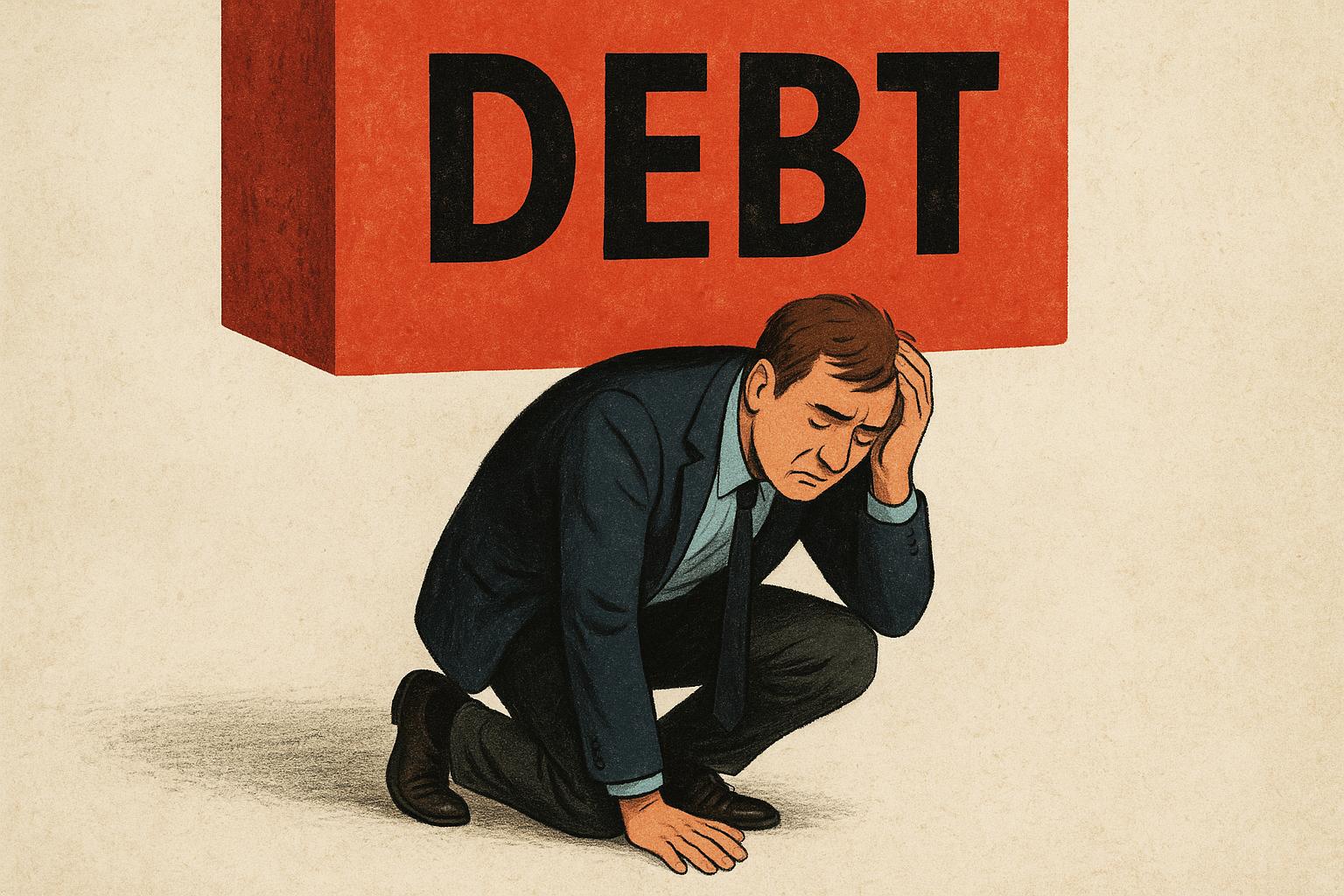
While financial repercussions are more visible, the psychological effects of debt ignorance can be severe. Persistent debt can lead to stress, anxiety, and depression. These mental health issues arise from constant worry over financial instability, overwhelming debt obligations, and the pressure to pay off outstanding balances. The mental strain associated with debt can result in diminished personal well-being.
Furthermore, debt-related stress can impact work performance by decreasing productivity and increasing absenteeism. It can also affect relationships, as financial strain might lead to conflicts with family members or friends. The psychological toll of unmanaged debt highlights the importance of addressing financial issues not only for economic reasons but also for overall mental health and quality of life.
Limited Financial Opportunities
Neglecting debt often results in limited access to financial products. Poor credit history can hinder opportunities to purchase a home, start a business, or invest in significant life changes. Those with unmanaged debt might also encounter higher insurance premiums. Financial institutions and insurance companies use credit scores as a measure of financial reliability, and a low score can result in less favorable terms or outright denial of necessary financial products. For tools and resources on managing debt, you might find FDIC helpful.
The limitation on financial opportunities doesn’t just affect large life decisions; it also impacts everyday financial activities. For instance, individuals with poor credit might face difficulties securing credit lines or may have to endure higher costs for everyday services, such as utilities or cell phone plans, where credit checks are performed. This overarching limitation illustrates how neglecting debt can permeate nearly every financial decision, curtailing personal and professional growth.
Legal Ramifications
In certain cases, creditors may pursue legal action to recover unpaid debts. This can lead to wage garnishments, property liens, or even bankruptcy. Wage garnishment involves a court order that allows creditors to collect a portion of the debtor’s income directly from their employer. This forced repayment method can significantly disrupt a person’s financial equilibrium by reducing take-home pay.
Property liens represent another severe consequence, where creditors stake a legal claim on the debtor’s property as collateral for a debt. This action can impede the individual’s ability to sell or refinance the property, effectively placing a hold on that asset until the debt is resolved. Bankruptcy represents the most extreme legal outcome, offering the debtor a fresh start but at the cost of a significant impact on their credit score and financial credibility. These legal actions highlight the enduring impacts that come from neglecting debt, affecting financial security and requiring substantial time and effort to resolve.
Conclusion
Addressing debt proactively is crucial to avoiding the hidden costs associated with its neglect. By regularly reviewing one’s financial situation and seeking assistance when needed, individuals can mitigate the adverse effects of debt and remain on a stable financial path. Engaging with financial advisors, creating solid repayment plans, and maintaining open communication with creditors can prevent the escalation of debt issues and support long-term financial health. Taking these steps ensures that one’s approach to debt management is not only effective in the short term but sustainable over the long haul, helping to maintain a peace of mind that transcends mere financial stability.