Debt-Free Living: Essential Books and Resources
Introduction
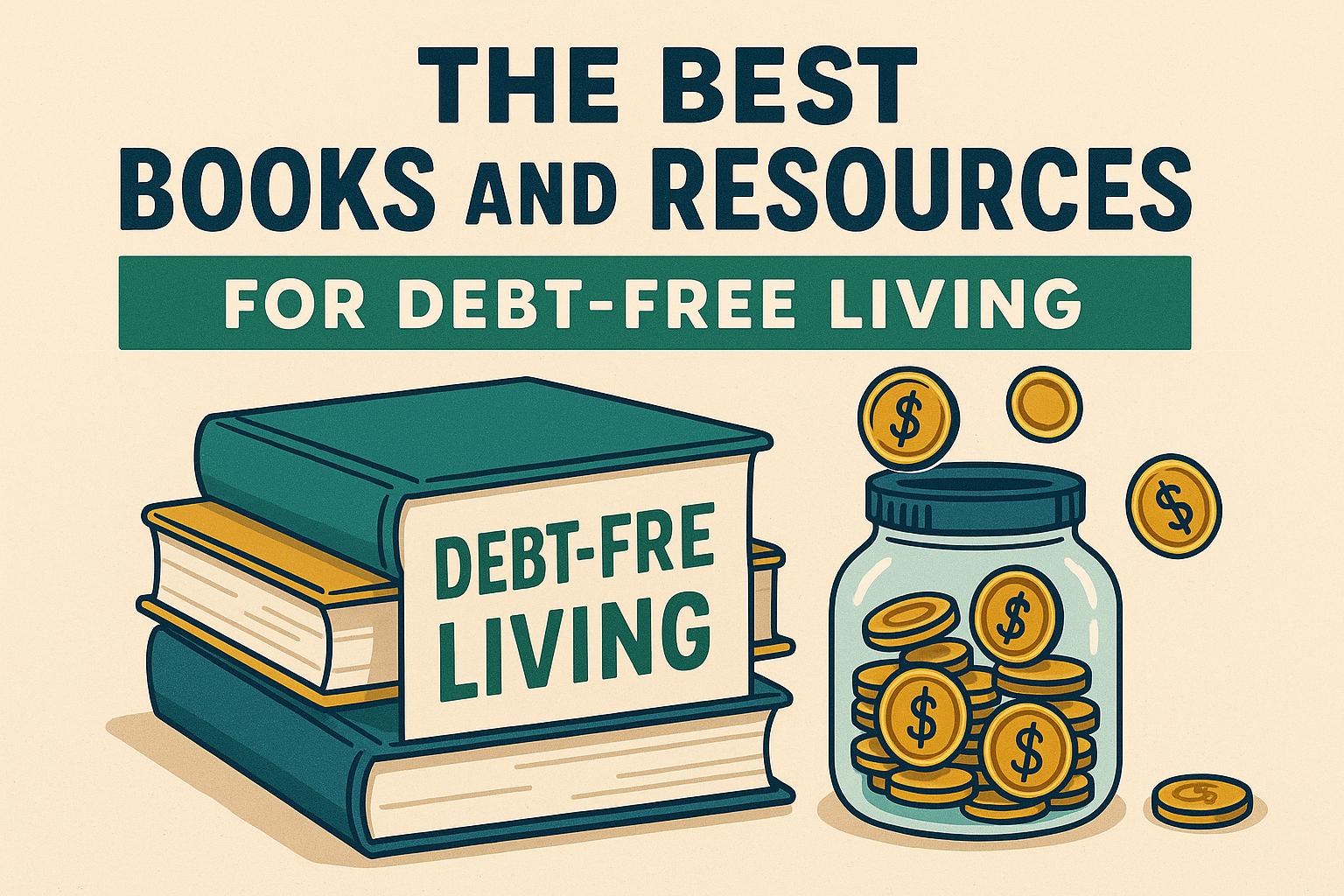
In today’s fast-paced world, achieving a debt-free lifestyle is a paramount goal for many individuals. The allure of financial independence and the stability it promises is compelling. To assist in this journey, a multitude of books and resources offer insightful strategies and practical advice. Understanding and implementing the principles shared in these resources can significantly ease the path towards living without debt. Below, we delve deeper into some of the most reputable tools and knowledge available for those committed to attaining a debt-free existence.
Books on Debt-Free Living
Books have long served as valuable guides in navigating personal finance. With countless titles available, it can sometimes be overwhelming to decide where to start. Highlighted here are some seminal works that can provide the foundational knowledge necessary for financial transformation.
“The Total Money Makeover” by Dave Ramsey
Dave Ramsey’s “The Total Money Makeover” is a staple in the realm of personal finance and debt elimination. Ramsey’s straightforward approach demystifies the often complex world of financial health. He advocates a step-by-step guide to eliminate debt that includes saving, budgeting, and fundamentally reassessing the reliance on credit. His emphasis on changing behaviors and money habits has resonated with many, leading to tangible changes in financial health.
Ramsey’s book is not about getting rich quickly; instead, it is about adopting enduring strategies that instill financial discipline—crucial for a debt-free life. The actionable advice within “The Total Money Makeover” provides readers with both motivation and a clear roadmap to follow.
“Your Money or Your Life” by Vicki Robin and Joe Dominguez
Another profound contribution to debt-free literature is “Your Money or Your Life,” authored by Vicki Robin and Joe Dominguez. This book ventures beyond typical financial advice to explore the deeper connection between money and personal satisfaction. It presents a nine-step program designed to alter your relationship with money, encouraging a life that values financial and personal fulfillment over material accumulation.
The insights offered by Robin and Dominguez encourage individuals to rethink their spending behaviors and refocus their financial goals. The message emphasizes empowerment through financial literacy, underscoring how holistic financial management can lead to a debt-free life.
Online Resources and Tools
In addition to books, the digital sphere offers numerous resources that can be instrumental in achieving financial goals. Online tools provide practical support to manage finances effectively.
Mint
Mint stands out as a versatile personal finance app, enabling users to track their expenses, create budgets, and, crucially, manage their debts. As a free resource, Mint offers a comprehensive overview of your financial situation, presenting data in a user-friendly interface that simplifies complex financial concepts. Users can see exactly where their money goes, making it easier to make informed financial decisions. For more details, individuals can explore Mint’s official website.
EveryDollar
EveryDollar, developed by Ramsey Solutions, is another poignant tool that aids users in financial planning and debt reduction. Unlike Mint, EveryDollar focuses on zero-based budgeting, meaning that users plan each expense down to the last dollar, ensuring all income is allocated purposefully. This method fosters accountability and precision, crucial for those looking to get serious about their debt-free journey.
Financial Counseling and Education
Sometimes, personalized guidance is the best approach to managing debt and gaining financial independence. Financial counseling may offer the tailored advice needed for complex financial situations. Organizations like the National Foundation for Credit Counseling provide such personalized assistance, equipping individuals with resources and support tailored to managing debt and enhancing financial literacy. Interested individuals can access their services through their official website.
Working with certified financial counselors offers a personalized strategy, addressing individual issues while providing actionable steps to achieve debt reduction. Counselors also offer emotional support, helping navigate the psychological challenges associated with financial setbacks.
Additional Resources
Aside from the books and digital tools, community resources also offer significant assistance. Libraries often hold finance workshops, and many community centers offer courses on financial management. Engaging with community resources not only provides education but also fosters a sense of support among peers in similar financial situations.
Additionally, podcasts and blogs dedicated to frugality and financial management can offer ongoing inspiration and innovative tips. Being a part of a financial support community can keep motivation levels high and introduce new strategies that might resonate with personal objectives.
Practical Application
The true measure of these resources is in their application. Budgeting is merely a plan until action is taken. Begin by assessing your financial situation, identifying debts and current spending patterns. Utilize apps like Mint or EveryDollar to track and control expenditures. Incorporate insights from books like “The Total Money Makeover” to systematically tackle debts, and immerse yourself in the philosophical shift advocated in “Your Money or Your Life.”
By practically applying the advice and tools at your disposal, you can pave the way to a debt-free future. Consistent monitoring and adjustments of financial plans ensure that strategies remain aligned with current goals and challenges.
Conclusion
In conclusion, achieving a debt-free lifestyle is a journey marked by dedication and informed decisions. The pathway to financial independence is supported by a plethora of resources—books, tools, and financial counseling services alike. Leveraging these can provide individuals with the knowledge and strategies necessary to undertake and sustain debt-free living. Commitment to this path and continuous learning is key to transforming one’s financial landscape.