Understanding Your Debt
In the path to financial freedom, paying off debt is often a significant hurdle that many individuals strive to overcome. The process demands a well-structured plan and consistent motivation. Before embarking on this journey, it is imperative to understand the specific nature of your debt. This understanding is foundational and provides the clarity necessary to devise an effective strategy for repayment.
Firstly, gather all the details surrounding your debt. This includes the total amount owed, the interest rates for each debt, and their associated minimum payments. Knowing the exact figures offers a stark reality check and serves as a valuable tool to prioritize which debts need immediate attention. By having this insight, you can make informed decisions about how to approach your debts and formulate a plan that aligns with your financial goals.
Setting Realistic Goals
Goal setting is a critical component of any debt repayment journey. Establishing goals not only helps maintain motivation but also provides a clear direction. These goals should be both specific and realistic in nature. Simply desiring to be debt-free is not enough; it’s important to articulate how much you wish to pay off and within what timeframe. For instance, setting a goal to repay a specific amount within six months gives you a tangible target to aim for. As you progress, it might be necessary to adjust these goals to reflect any changes in your financial situation or to acknowledge strides that you’ve made toward eliminating debt.
Developing a Budget
A detailed budget is essential for managing your finances effectively. By analyzing your monthly income and expenses, you can identify areas where you can cut back on costs. These savings can then be redirected towards repaying your debt. Creating a budget involves listing all sources of income and categorizing expenses to get a clear overview of your financial situation. This process might also reveal spending habits that can be changed or reduced, further freeing up resources for debt repayment. In essence, a budget is your financial roadmap, guiding you toward your goals and helping you make informed decisions about your money.
Choosing a Repayment Strategy
Once you have a solid budget in place, it’s time to decide on a repayment strategy that suits your situation. Two popular methods are the debt avalanche and the debt snowball approaches. Each comes with its advantages and caters to different psychological and financial needs.
The debt avalanche method involves directing extra payments towards debts with the highest interest rates first, potentially saving you more on interest over time. This strategy is suitable for those who are more motivated by the prospect of reducing overall costs.
Conversely, the debt snowball method focuses on paying off the smallest debts first. This provides quick wins and psychological boosts when debts are eliminated, making it effective for individuals who benefit from seeing rapid progress.
Choosing the method that best fits your personal motivations and financial circumstances will help in successfully managing and repaying your debt.
Tracking Progress
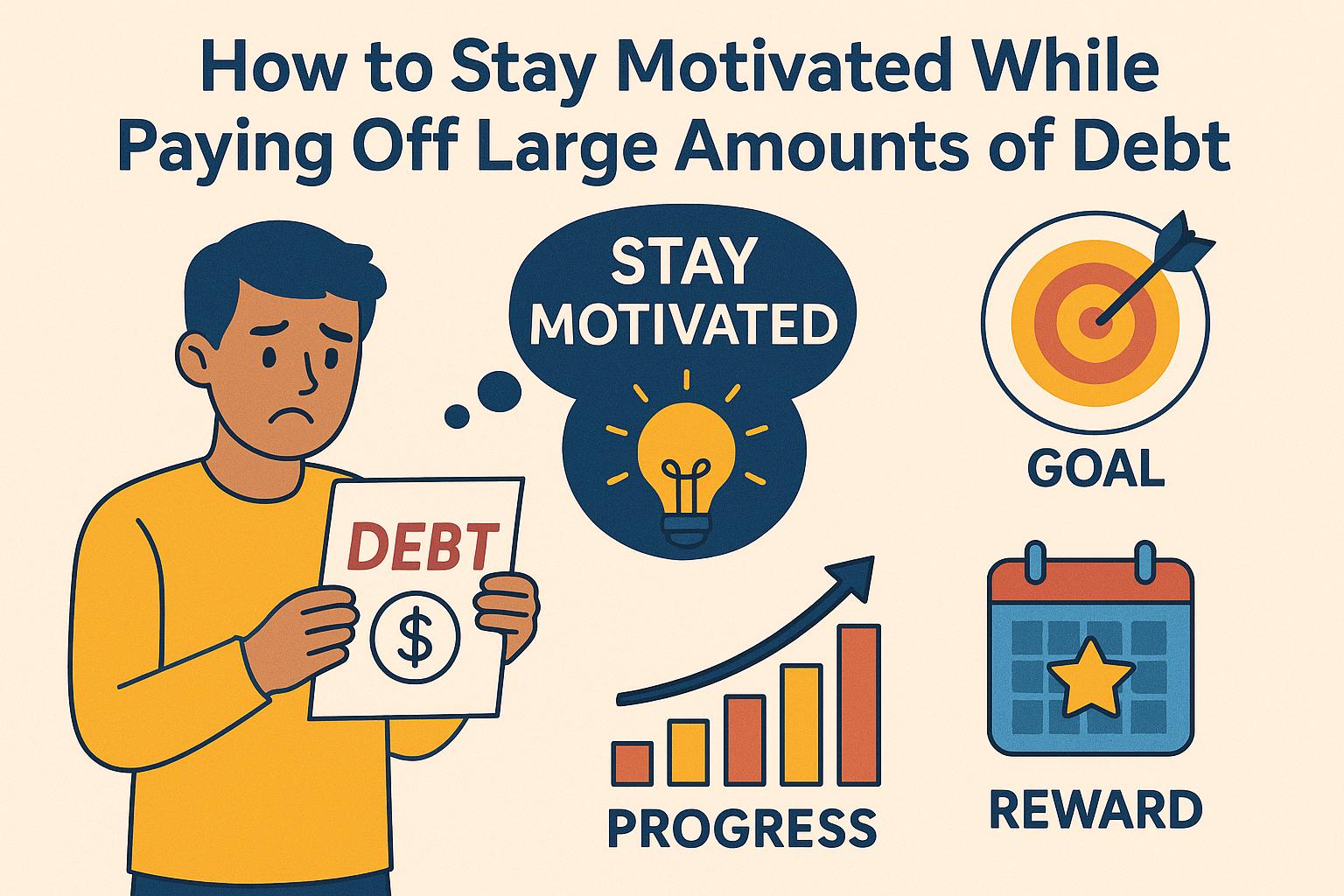
Monitoring your progress is essential for staying motivated throughout the debt repayment journey. Regularly reviewing your debt status, tracking payments, and observing the improvement in your financial standing can help reinforce your commitment. Consider utilizing tools or apps that help visualize your progress. These digital aids can be instrumental in celebrating milestones, such as reducing your debt by a certain percentage or completely paying off a particular debt. Celebrating these achievements, no matter how small, can provide the encouragement needed to keep pushing forward.
Maintaining Motivation
Sustaining motivation can be challenging, especially during a long debt repayment period. Focusing on the outcome of a debt-free life can help maintain momentum. The benefits include increased financial stability, diminished stress, and the freedom to allocate resources toward savings or investment opportunities. Engaging with support groups or online forums where individuals share their experiences and strategies can also provide camaraderie and encouragement. Such communities act as a support system, offering inspiration and practical advice from those who have successfully navigated or are navigating similar financial paths.
Avoiding New Debt
As you diligently work towards eliminating your existing debts, it is equally important to avoid accumulating new ones. This requires a measure of self-discipline and careful financial planning. For major purchases, it is wise to evaluate alternatives, such as saving up before buying, rather than resorting to credit. Additionally, be mindful of credit card usage, aiming to pay off balances in full each month to prevent further debt accumulation. Deliberate and intentional planning in these areas can help maintain focus on the goal of becoming and staying debt-free.
In summary, while the road to eliminating debt can be challenging, it is certainly attainable with a structured approach and persistent effort. Understanding the full scope of your debts, setting realistic goals, developing a comprehensive budget, choosing a fitting repayment strategy, tracking progress, maintaining motivation, and avoiding new debt are all vital steps in this journey.
For further tips and strategies on managing financial obligations, explore resources available at the Consumer Financial Protection Bureau or consult certified financial advisors.