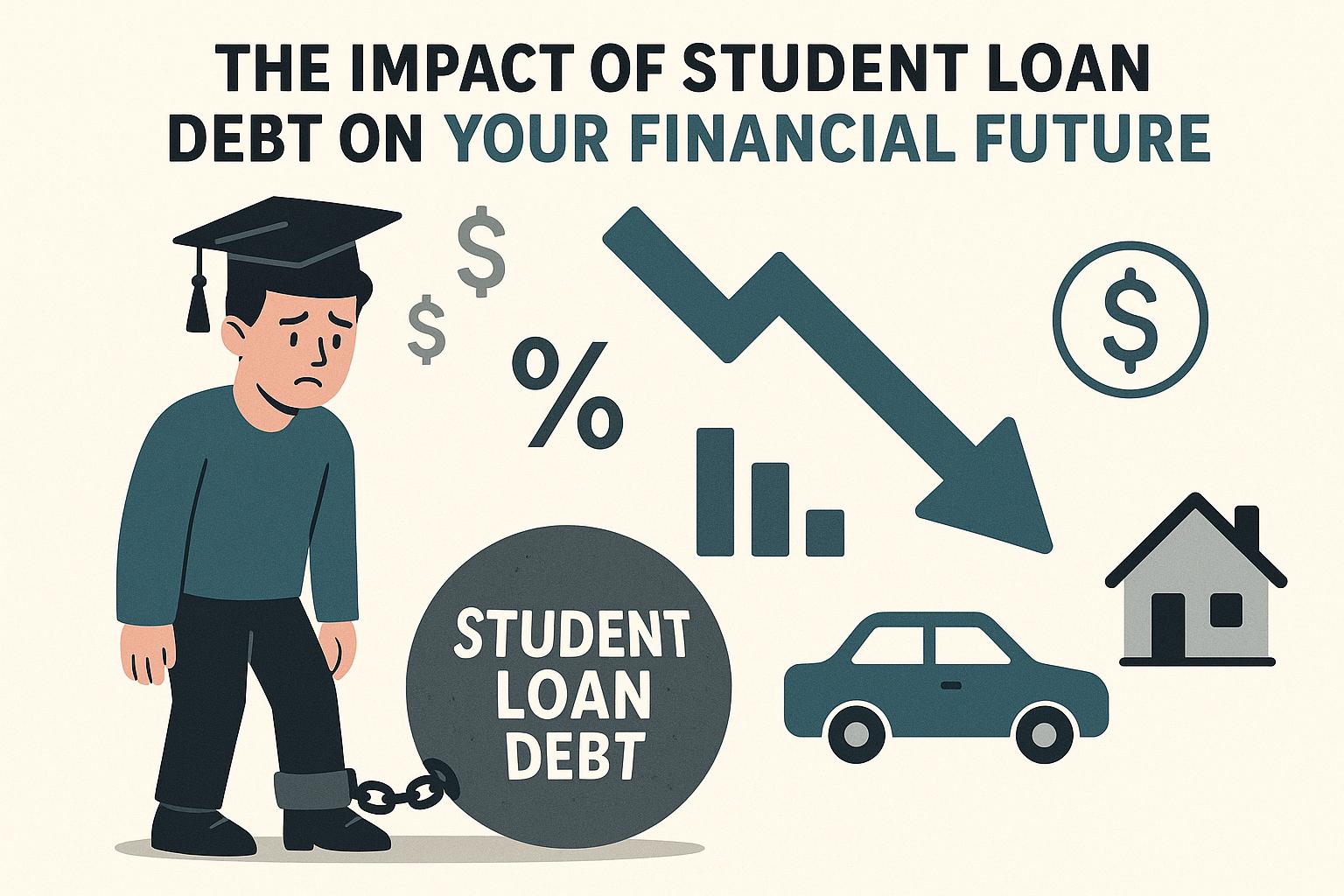
The Growing Concern of Student Loan Debt
Student loan debt has undeniably become a major financial issue affecting millions of individuals, particularly in the United States. As reported by the Federal Reserve, the total student loan debt in the country has exceeded $1.5 trillion as of 2020. This expanding financial burden not only affects immediate economic circumstances but also has far-reaching implications on future financial decision-making and stability. In this discussion, we delve deeper into the nuanced ways student loan debt impacts individuals and explore potential strategies to manage this onerous obligation.
How Student Loan Debt Affects Financial Stability
Student loans have become a ubiquitous part of pursuing higher education. Yet, the aftermath of graduation with such financial encumbrance can delay significant life milestones and compress individual financial trajectories.
Delayed Homeownership
The aspiration to own a home is a conventional marker of financial success and stability. However, for many graduates encumbered by student debt, this goal becomes an elusive pursuit. Key contributing factors include the depletion of savings due to ongoing debt repayment, subsequent lowering of credit scores, and the consequential challenge of qualifying for a mortgage. Accordingly, while rental housing provides a temporary solution, it often lacks the economic advantages and security associated with homeownership.
Impact on Credit Score
Properly managing student loan repayment can be beneficial, potentially enhancing an individual’s credit score through consistent, on-time payments. However, the inability to maintain a robust repayment plan can severely damage credit ratings. Such impairment extends beyond future borrowing challenges—it can influence the capacity to obtain credit cards and even employment in industries where credit checks are customary. The cyclical nature of debt, credit damage, and financial exclusion creates formidable barriers to financial health.
Investment and Savings Potential
One of the most profound, albeit less overt, effects of student loan debt is its drain on an individual’s ability to save and invest. Loan repayments often take financial precedence, leaving little room for other crucial financial activities such as building an emergency fund or setting aside money for retirement. Without the ability to engage in long-term financial planning or growing an investment portfolio, individuals find themselves at a disadvantage, potentially compromising future financial independence and stability.
Career Choices and Economic Freedom
Student loan debt also exerts considerable pressure on career decision-making. Graduates frequently encounter a difficult dichotomy: pursuing high-paying jobs that ensure debt repayment or selecting careers aligning with personal values and interests, often associated with lower earnings. Professions in sectors like the arts, education, and non-profit offer intrinsic rewards but frequently lack the compensatory benefit necessary to cover substantial loan repayments. Consequently, many graduates find themselves in careers based not on passion, but financial necessity, potentially leading to dissatisfaction and stunted professional growth.
Solutions and Strategies for Managing Debt
Despite the considerable impact of student loan debt, there exist various approaches and tools that can be leveraged to alleviate its burden. By adopting intelligent strategies, individuals can mitigate the adverse effects of debt and work towards financial recuperation.
Income-Driven Repayment PlansIncome-driven repayment plans provide a mechanism through which monthly payments are adjusted based on the borrower’s income and family size. By aligning repayment amounts with the borrower’s financial capacity, these plans can significantly reduce financial pressure, allowing for a more manageable repayment landscape.
Loan Consolidation and RefinancingLoan consolidation involves combining multiple federal education loans into a single loan, simplifying the repayment process. On the other hand, refinancing, typically through private lenders, can secure lower interest rates, reducing overall repayment amounts. Both strategies can integrate seamlessly into an effective debt management toolkit, though it’s imperative to consider the long-term financial ramifications carefully.
Budgeting and Financial PlanningHolistic financial planning and adept budgeting stand as foundational strategies in managing student loan repayments. Working with financial advisors or utilizing financial management tools, graduates can develop comprehensive plans that balance debt repayments without neglecting other financial goals. Well-constructed budgets facilitate diligent tracking of expenses and encourage disciplined saving practices.
Roles of Institutions and Policymakers
It’s not only individuals who must face the challenge of student debt; policymakers and educational institutions also play crucial roles in addressing this issue. Potential solutions include advocating for lower tuition costs, expanding scholarship opportunities, or implementing state-funded educational initiatives. By doing so, these entities can reduce the financial barriers associated with higher education and alleviate the necessity of substantial student loans.
Conclusion: Preparing for a Stable Future
The pervasive issue of student loan debt necessitates critical attention from both individuals and societal policymakers. Understanding the depth and breadth of its impact equips graduates to make informed financial decisions, optimizing available strategies to manage debt effectively. Furthermore, exploring systemic changes can lead to a more accessible educational landscape, thereby fostering an environment where financial prosperity and personal fulfillment can coexist. By navigating these challenges with foresight and strategic planning, individuals are better positioned for a future marked by financial stability and opportunity.