Understanding Credit Counseling
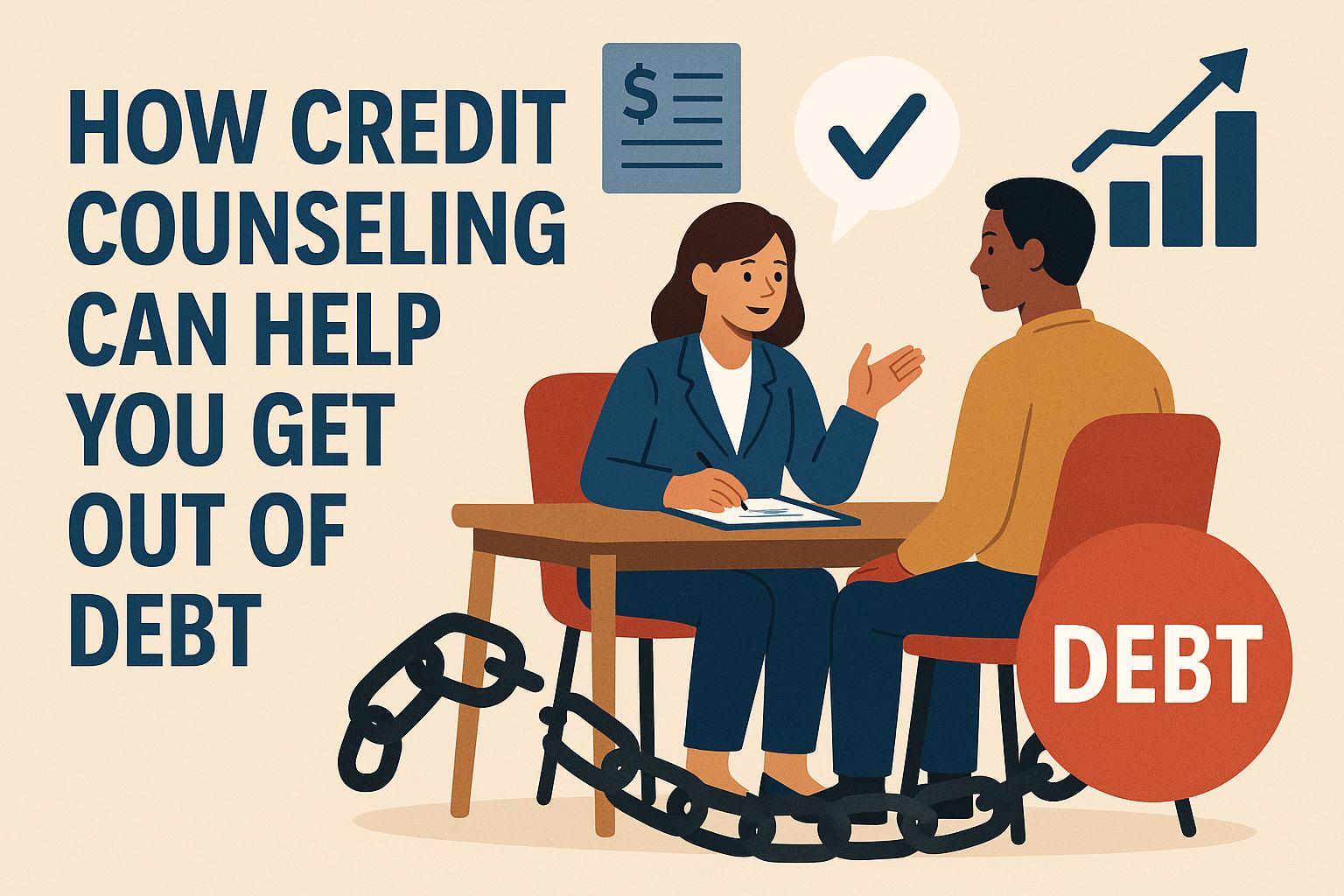
Credit counseling is a service designed to assist individuals in managing their debt and enhancing their financial health. This resource is especially beneficial for those who find themselves burdened by financial obligations and are seeking professional guidance to regain control over their finances. Typically, credit counseling involves a meeting with a certified credit counselor, who comprehensively reviews your financial situation and offers tailored advice on budgeting and managing debt.
How Credit Counseling Works
In a credit counseling session, the process begins with an evaluation of your current financial status. A credit counselor will assess various aspects of your financial life, including your income, expenses, and debts. This assessment aims to provide a clearer picture of your overall financial health. With this information, the counselor can make informed suggestions on personalizing strategies to effectively address your debt.
A crucial part of credit counseling is the development of a budget. The counselor will help you create a realistic budget that outlines your monthly income and expenses, helping to identify areas where you can cut back. This budget can serve as a blueprint for managing your finances more efficiently. In some cases, if the debt is significant, the counselor might propose a debt management plan. Additionally, throughout the session, clients are encouraged to ask questions to fully understand their financial situation and the proposed solutions.
Debt Management Plans
A significant tool used by credit counseling agencies is the debt management plan (DMP). This plan is often recommended when an individual’s debt is too substantial to manage through simple budgeting. Under a DMP, you consolidate your monthly debt payments into a single payment made to the credit counseling agency. The agency then distributes these funds to your creditors on your behalf.
Debt management plans are designed to simplify the repayment process and come with added advantages. They often involve negotiations for reduced interest rates and the waiver of late fees by creditors, thus making the repayment process more manageable and economical over time. A well-executed DMP can lead to faster debt repayment, allowing individuals to become debt-free within three to five years, depending on the plan’s terms. However, it’s important to note that while enrolled in a DMP, you may be required to refrain from using or opening new lines of credit, which can be a positive step towards better financial habits.
Benefits of Credit Counseling
Credit counseling offers a wealth of benefits, making it an attractive option for those seeking to improve their financial standing. One of the primary advantages is receiving professional guidance that is specifically tailored to your financial circumstances. Such personalized advice can reveal repayment paths that may not have been apparent before seeking counseling.
Beyond immediate debt management, credit counseling services often provide educational resources aimed at enhancing financial literacy. These resources are crucial for fostering a deeper understanding of financial principles, enabling individuals to make more informed financial decisions in the future. As clients become more knowledgeable about budgeting, credit scores, and prudent financial planning, they gain the tools necessary to maintain their financial health long-term.
Credit counseling can also help reduce financial stress. Having a clear plan and understanding of your finances can alleviate anxiety linked to uncertainty about how to tackle debt. This sense of control can lead to improved overall well-being, as financial problems are a common source of stress for many people.
Finding a Credit Counseling Agency
Selecting a reputable credit counseling provider is crucial to ensuring you receive quality service. It’s advisable to consider organizations that are accredited by credible bodies such as the National Foundation for Credit Counseling (NFCC) or the Financial Counseling Association of America (FCAA). These organizations set strict quality standards for their members and often operate on a nonprofit basis, meaning they are dedicated to providing service rather than profit maximization.
To find a suitable credit counseling agency, consumers can start by conducting online searches, reviewing ratings and customer reviews, and assessing the agency’s credentials. Additionally, inquiries at local financial institutions or community centers can uncover valuable recommendations or partnerships with trusted agencies. Ensuring that the agency is transparent about its fees and offers a free initial consultation is also important in selecting a trustworthy provider.
Understanding the landscape of credit counseling involves not only knowing how the service works and its benefits but also recognizing the importance of choosing the right agency for your unique needs. Engaging with a credit counselor can be the first step in a journey toward financial recovery and stability. As you explore credit counseling, remember that gaining control over your financial well-being is not only about managing debt but also about adopting smart financial habits for the future.
For further reading on effective debt management, individuals are encouraged to explore resources available through the Consumer Financial Protection Bureau. Such resources can provide additional insights and strategies to help you achieve and maintain financial health.