Understanding Living Below Your Means
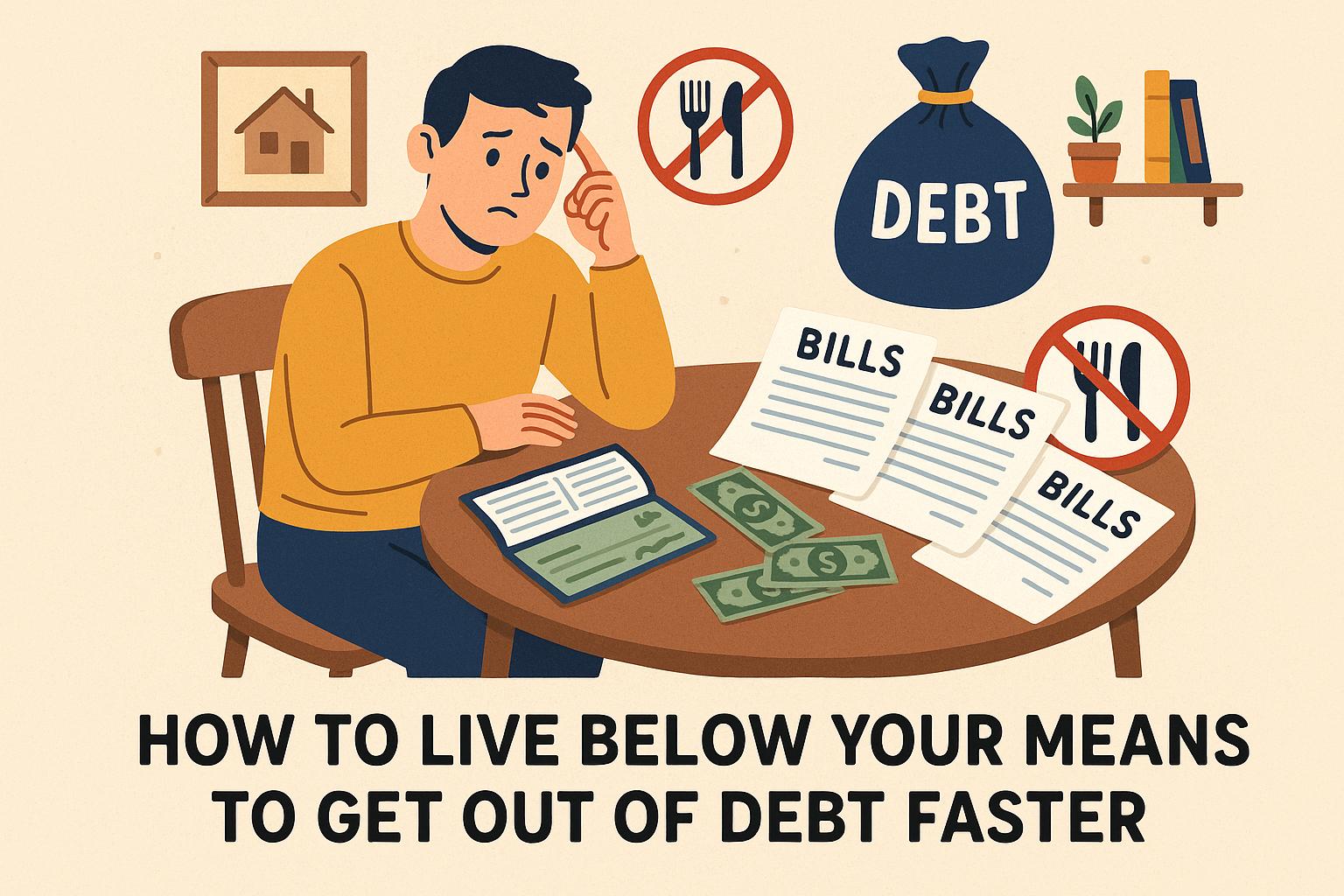
Living below your means involves spending less than the money you earn. This approach is vital in managing personal finances effectively, helping individuals to save money and get out of debt faster. It may require making significant lifestyle changes and reassessing financial priorities. Living below your means is not merely a practice but a disciplined approach to financial well-being that offers long-term benefits. By ensuring you spend less than you earn, you are putting yourself in a position to achieve financial stability, which serves as the foundation for financial freedom. This practice can lead to a more secure future, as savings accumulate and debts decrease.
Typically, living below your means forces you to make thoughtful decisions about your spending habits, lifestyle choices, and financial goals. This may include dining in more often, buying only necessary items, and learning to differentiate between wants and needs. These changes, though sometimes challenging to implement, pave the path for a financially secure lifestyle.
Analyzing Your Financial Situation
To start, it is crucial to have a clear understanding of your current financial status. This involves evaluating your income, expenses, and debts. Creating a detailed budget can help in identifying areas where you can cut costs. Online tools and financial software can assist in tracking expenses and finding savings opportunities. Some banks also offer tools to help track spending within their apps.
Understanding your financial situation begins with assessing both your income and expenses comprehensively. Taking stock of your financial status can help you gain a realistic view of your monetary limitations and capabilities. It might include evaluating sources of income, such as wages, bonuses, or passive income channels.
A thorough analysis often starts by identifying every expense, fixed and variable. Fixed expenses are those that remain constant every month, like rent or mortgage payments and utilities, while variable expenses include entertainment and dining out, which can fluctuate. Recognizing and listing these expenses puts you on the path to creating a budget tailored to your financial landscape.
Importance of Budgeting
Budgeting is a fundamental aspect of living below your means. A well-structured budget ensures you are aware of your financial limits and priorities. You should include all expenses, from fixed costs like rent and utilities to discretionary spending on dining out or entertainment.
Budgeting acts as a roadmap, guiding you in making prudent financial decisions. It not only helps you track your spending but also aids in setting financial goals, whether short-term, like buying a piece of furniture, or long-term, like saving for retirement. By consistently monitoring and adjusting your budget, you gain control over your finances, making it less likely to be blindsided by unexpected expenses.
Moreover, sticking to a budget is a mindful practice. It often requires revisiting your financial goals and ensuring that your spending aligns with these objectives. Over time, this can cultivate a habit of financial discipline, reducing financial stress and empowering you to live comfortably within your means.
Creating a Realistic Budget
Creating a realistic budget involves several essential steps that go beyond listing expenses:
Calculate Your Monthly Net Income: This is the actual income you receive after taxes, retirement contributions, and other deductions. Knowing your net income allows you to budget accurately without overestimating your spending capacity.
List All Necessary Expenses: This includes necessary obligations such as rent or mortgage, utilities, groceries, insurance, and transportation. These are non-negotiable costs you must plan for each month.
Allocate a Fixed Amount for Savings and Debt Repayment: Treat these as fixed expenses. Prioritize paying off debt and saving, regardless of your income level. Even a modest amount saved each month can grow substantially over time due to the effect of compounding interest.
Identify Discretionary Expenses: Include non-essential spending such as dining out, entertainment, and hobbies. These areas offer opportunities to cut back if necessary.
Adjust Your Spending to Align with Your Priorities: Focus on what truly matters to you while considering the big picture. For example, if getting out of debt is a priority, your budget should reflect more aggressive debt repayment plans and less discretionary spending.
A realistic budget helps avoid financial pitfalls by aligning spending with financial objectives, preventing debt accumulation, and ensuring savings for future goals.
Practical Tips to Reduce Expenses
Once your budget is established, the next step is actively reducing expenses. It’s essential to make smart financial choices to avoid unnecessary spending. Reducing expenses doesn’t always require drastic lifestyle changes. Often, it’s about making informed choices and small adjustments to daily habits that collectively lead to substantial financial gains.
Reducing Fixed Expenses
Fixed expenses often make up a significant portion of a budget. Consider renegotiating your bills or switching providers for utilities or insurance to find better rates. Regularly reviewing bills and shopping around can result in notable savings.
Accumulated over time, even small savings, such as a reduction in utility bills or a decrease in mortgage interest rates, can free up funds for other areas like savings or debt repayment.
Controlling Discretionary Spending
Discretionary spending is often where individuals exceed their budget. Assessing and controlling this type of spending is crucial.
Start by evaluating how much you spend on occasional treats or luxury items, and compare that amount against your overall financial objectives. You might find areas where cutting back could quickly add to savings or accelerate debt reduction efforts.
One practical adjustment is to limit dining out or focus on more cost-effective leisure activities. Opt for free or low-cost entertainment options, such as outdoor activities, community events, or streaming inexpensive content at home.
Increasing Income
While reducing expenses is critical, increasing your income provides more room to pay off debt faster. This can be achieved by taking on additional work, such as freelancing, a part-time job, or exploring passive income streams. Online platforms offer various ways to leverage skills for extra income.
Seeking opportunities to increase your earnings doesn’t always require drastic measures. Often, it involves leveraging existing skills or credentials in more productive ways.
Online Opportunities
The internet provides opportunities for earning, such as freelancing or starting an online business. Even small contributions to your income can significantly impact debt reduction.
Freelancing platforms allow individuals to use their skills, like writing, design, coding, and more, to earn additional income. Starting an online business, such as selling creative products or offering specialized services, can also be a viable option.
It’s essential to keep in mind that these endeavors might require an initial investment of time and resources. However, with dedication and effort, they can provide a sustainable income stream that complements traditional employment.
Building an Emergency Fund
Saving for unexpected expenses is crucial. Having an emergency fund prevents you from accumulating more debt when unforeseen expenses arise. Aim to build a fund that covers 3-6 months’ worth of expenses.
The importance of an emergency fund cannot be overstated. It acts as a financial cushion, offering peace of mind and security. By setting aside a portion of income regularly, you can gradually build this fund to handle emergencies like medical expenses, car repairs, or temporary job loss without derailing your financial stability.
Understanding Debt Repayment Methods
Choosing the right strategy for repaying debt can accelerate becoming debt-free. Two popular methods include the Debt Snowball and Debt Avalanche methods. Understanding these strategies can provide a clear path to eliminating debt systematically.
Debt Snowball
Start by paying off debts from the smallest to largest while making minimum payments on others. This method can build momentum as you eliminate smaller debts.
The debt snowball method focuses on small victories. Each time you eliminate a smaller debt, you gain a psychological boost, which can motivate continued progress.
Debt Avalanche
Focus on paying off debt with the highest interest rate first. Although it may take longer to see progress, it saves more money on interest in the long run.
The avalanching method is mathematically efficient, focusing on minimizing the total interest paid over time. By paying off high-interest debt first, you reduce the long-term cost of debt repayment significantly.
Conclusion
Living below your means requires planning, discipline, and a firm commitment to financial goals. By accurately assessing your financial situation, reducing unnecessary expenses, and possibly boosting income, individuals can accelerate their path to becoming debt-free. The key is to maintain a balance between cutting costs and living a fulfilling life. Adopting this lifestyle isn’t just about financial health; it’s also about creating a sustainable, stable environment where long-term goals are achievable without sacrificing daily satisfaction.
In becoming more intentional about spending and saving, you lay a solid foundation not only for financial success but also for personal fulfillment. Whether it’s reducing expenses, increasing income, or strategically paying off debt, every step taken towards living below your means is a step towards financial independence and freedom. This balanced approach ensures that one can still enjoy life while being in control of their finances.