Introduction
Debt is a pervasive financial challenge that affects millions worldwide, transcending borders and impacting individuals from various socioeconomic backgrounds. While the economic implications of debt are often at the forefront of discussions, exploring how debt affects mental health and overall financial well-being is equally vital. It is crucial to recognize that financial difficulties can significantly influence an individual’s emotional state, leading to an intricate relationship between personal finances and mental health.
The Psychological Impact of Debt
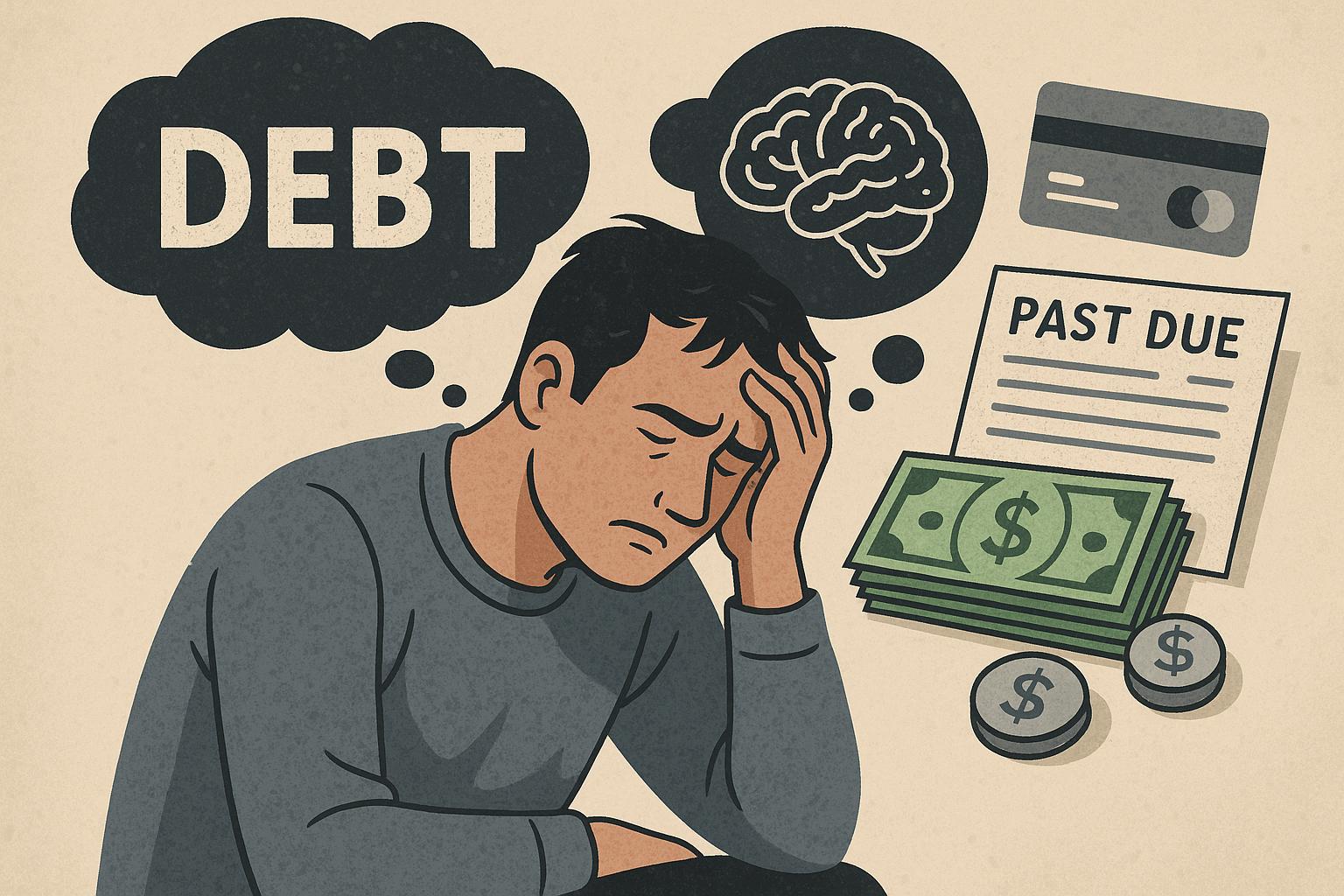
The psychological effects of debt are multifaceted, impacting individuals in myriad ways that extend beyond the mere stress of owing money. The mental health consequences of being in debt often manifest in the form of chronic stress, anxiety, and depression. These psychological outcomes can severely affect an individual’s quality of life, influencing both their personal and professional environments.
Stress and Anxiety
Stress associated with debt arises primarily from the relentless pressure to fulfill financial obligations. This stress can be exacerbated by unexpected expenses, sudden job loss, or inadequate financial planning. When individuals constantly worry about their financial situation, it can lead to pervasive anxiety. This anxiety often stems from uncertainty about the future, where concerns about credit ratings, the potential for foreclosure, or the inability to afford life’s necessities loom large.
Moreover, the fear of financial default can weigh significantly on an individual, leading to sleepless nights and impaired daily functioning. It can also restrict social activities, as individuals may refrain from social engagements that involve financial outlays, further isolating themselves.
Depression
The continuous pressure of debt can give rise to depressive symptoms, as individuals may feel trapped in their financial predicaments. The sense of hopelessness that accompanies unmanageable debt can lead to diminished motivation and enthusiasm for everyday activities, affecting one’s overall life satisfaction. Depression can exacerbate the financial strain, as withdrawal from society and work can lead to decreased productivity and income, perpetuating the cycle of debt.
In severe cases, depression related to financial distress can impair judgment and lead to self-destructive behavior, such as substance abuse or reckless spending, further deepening the financial crisis.
The Cycle of Debt and Mental Health
The relationship between debt and mental health is not unilateral; it often develops into a cyclical pattern where one exacerbates the other. When individuals face mental health challenges, managing finances can become increasingly difficult, leading to poor financial decisions and neglect of financial responsibilities. This, in turn, aggravates financial problems and perpetuates mental health issues, creating a cycle that is hard to interrupt.
Impact on Financial Behavior
Individuals experiencing mental health issues due to debt often exhibit impaired financial decision-making. This might manifest as impulsive spending or an inability to adhere to a budget. The stress and anxiety can cloud judgment, leading to decisions that, while providing temporary relief, worsen the financial situation in the long run. Such behavior might include relying on high-interest loans or credit cards as a quick fix, only to face more substantial debt in the future.
Barriers to Seeking Help
The stigma attached to debt-related mental health issues can discourage individuals from seeking necessary assistance. Feelings of shame, embarrassment, or fear of judgment can prevent individuals from reaching out to professionals or even discussing their situation with family and friends. This isolation exacerbates both the financial and emotional strain, hindering recovery and resolution.
It’s essential to acknowledge that seeking help is a step towards regaining control over one’s financial situation and mental health. Many are unaware that financial counselors and mental health professionals can provide strategies tailored to individual circumstances, facilitating both financial and emotional relief.
Improving Financial Well-Being
Addressing debt’s impact on mental health involves a comprehensive strategy that integrates financial education, mental health support, and robust support networks. Empowering individuals with the tools and knowledge necessary to manage their finances effectively can significantly alleviate the stress and anxiety associated with debt.
Financial Literacy
Enhancing financial literacy is a fundamental step towards achieving financial stability. By equipping individuals with critical skills in budgeting, saving, and debt management, financial literacy initiatives can foster a sense of control and confidence over personal finances. Workshops, counseling, and online resources offer valuable information and practical strategies to navigate financial challenges effectively, transforming financial distress into financial empowerment.
Improved financial literacy enables individuals to make informed decisions, plan for unforeseen expenses, and build a financial safety net, reducing reliance on debt in emergency situations. This proactive approach not only mitigates financial stress but equips individuals to face future challenges with resilience.
Support Networks
The role of support networks in managing debt-related stress cannot be overstated. Connecting with family and friends provides an emotional buffer, as they can offer understanding, empathy, and encouragement. On the professional front, financial advisors and mental health professionals offer practical guidance and develop personalized strategies to tackle debt and enhance financial health.
Building a robust support network involves openness and honesty about one’s financial situation, fostering a supportive environment where individuals feel safe to express their concerns and seek assistance without fear of judgment.
Conclusion
In conclusion, the interaction between debt, mental health, and financial well-being is intricate and multi-directional. Understanding the psychological ramifications of debt is crucial in developing effective strategies to mitigate its adverse effects. By acknowledging the significant impact of mental health on financial behavior and vice versa, individuals and society as a whole can take steps to break the cycle of debt and improve overall well-being.
Promoting financial literacy and cultivating supportive networks stand as pivotal measures in addressing these challenges. As individuals gain financial acumen and leverage supportive relationships, they can alleviate the stress and anxiety associated with debt, paving the path to a more stable and prosperous future. Recognizing and addressing the complexities of the debt-mental health connection is a fundamental step towards achieving holistic financial and emotional wellness.