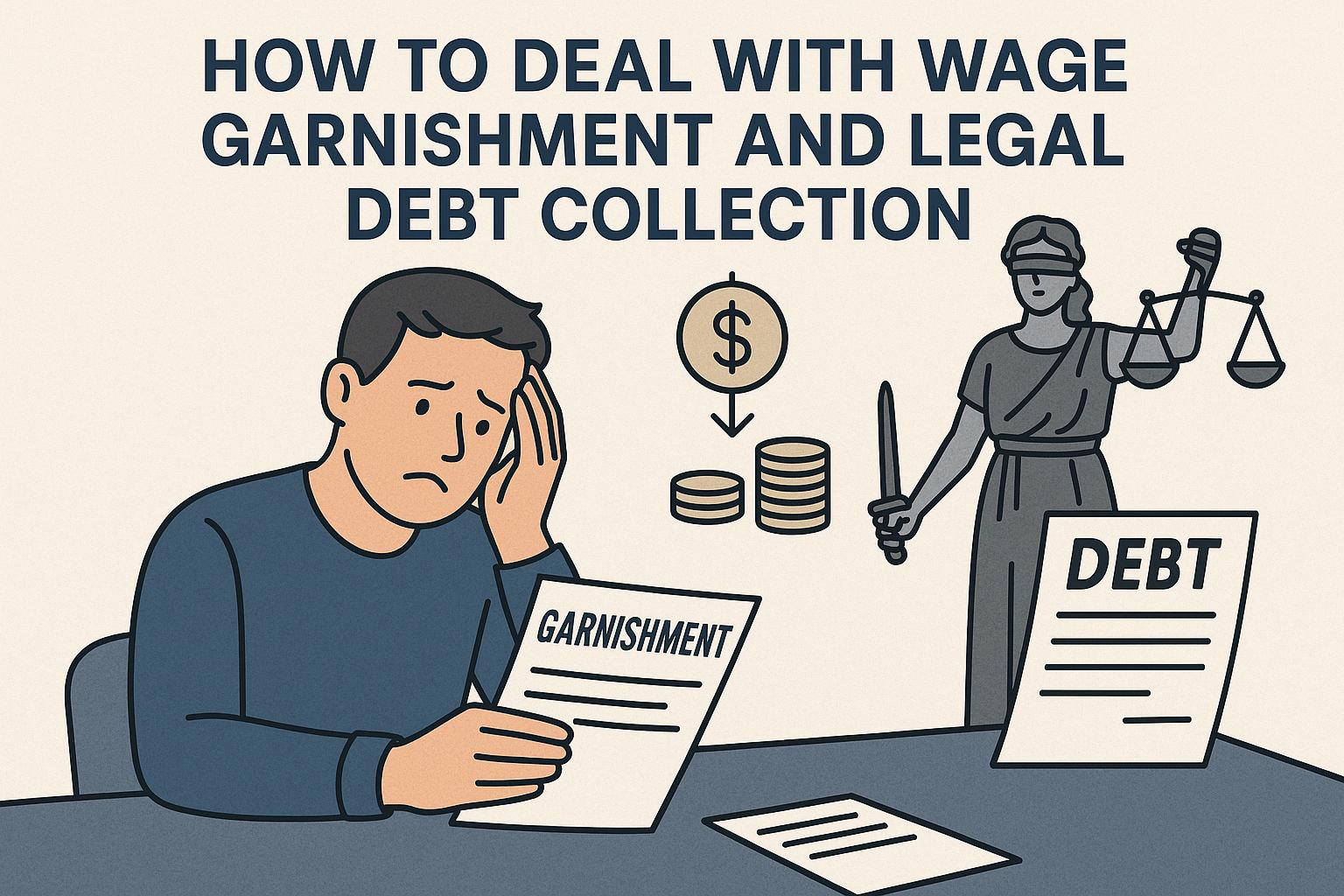
Understanding Wage Garnishment
Wage garnishment is a legal mechanism through which a portion of an individual’s earnings is withheld by their employer to pay off a debt. This process is primarily initiated via a court order, although in some instances, such as unpaid child support and tax debts, a court judgment is not necessary. It is crucial for both the debtors and creditors to understand the intricacies of how wage garnishment works, as well as the legal provisions and protections associated with it.
Types of Debts Leading to Garnishment
Wage garnishment can be enforced to recover different categories of debt. A closer look at these types of debts shows the varying nature and priority of each:
Child Support: In cases involving child support, garnishments are often ordered directly by courts and typically take precedence over other forms of debt. This is because child support is seen as vital to ensuring the welfare of the child involved, necessitating swift and prioritized action.
Unpaid Taxes: Tax arrears, particularly those owed to the IRS or state tax agencies, are treated with high urgency. These entities have the power to garnish wages without obtaining a court order first, underscoring the importance of timely tax settlements.
Student Loans: Defaulting on federal student loans can also lead to wage garnishment. Unlike other types of debts that might require formal legal proceedings, garnishment for student loans can be enacted administratively, simplifying the process for recovering owed amounts.
Limits on Wage Garnishment
There are federal guidelines that cap the amount of earnings that can be subject to garnishment. According to federal law, the garnishment is limited to the lesser of two amounts: either 25% of an individual’s disposable earnings for that week or the difference between their weekly income and 30 times the federal minimum wage. State laws may offer more stringent protections, and where this is the case, state provisions will supersede federal regulations. It is therefore important for debtors to familiarize themselves with both federal and state laws to best understand the protections available.
Legal Debt Collection Practices
Comprehending the legal framework for debt collection practices is essential in managing any debt-related activities. The Fair Debt Collection Practices Act (FDCPA) plays a central role in regulating the conduct of debt collectors and shielding consumers from abusive practices.
Consumer Rights Under FDCPA
The FDCPA ensures several rights for consumers, providing them with a safety net against unfair debt collection practices. Key rights include:
Protection from Harassment: Debtors are entitled to protection from oppressive communication tactics. Explicitly, this includes being shielded from excessive or threatening phone calls by debt collectors.
Verification of Debt: Within 30 days of being contacted by a collector, debtors have the right to request verification of the debt in question. Upon request, the collector is obligated to provide the debtor with a written confirmation of the debt, which can help prevent errors or fraudulent claims.
Limitations on Contact: The FDCPA restricts the hours during which debt collectors may contact debtors, prohibiting calls before 8 a.m. or after 9 p.m. unless the debtor has previously agreed to such timings. This restriction aims to protect the privacy and peace of the debtor.
Steps to Address Wage Garnishment
Being faced with wage garnishment can be daunting, but understanding the various steps you can take may mitigate its effects:
1. Review the Judgment: When you receive a garnishment order, it is imperative to obtain and carefully review the relevant documentation. Check for accuracy in the amount claimed and ensure that all legal protocols were observed in the creation of the garnishment order. This step is crucial to identifying and rectifying any potential errors.
2. Explore Exemptions: Investigate whether any garnishment exemptions apply in your situation. Exemptions can vary by state, but federal exemptions may also be applicable. These exemptions can provide some relief from garnishment pressures.
3. Negotiate with Creditors: Consider engaging directly with your creditors to negotiate a more manageable repayment plan. A mutually agreed voluntary payment arrangement might ease the financial burden compared to enforced wage garnishment.
4. File for Bankruptcy: In extreme cases where garnishment is overwhelming, filing for bankruptcy might be an option. This step can halt wage garnishment and potentially lead to the discharge of certain debts. However, bankruptcy is a significant legal action, and seeking guidance from a financial advisor or attorney is advisable before proceeding.
Conclusion
Navigating the complexities of wage garnishment and debt collection requires a clear understanding of both rights and responsibilities. By arming yourself with knowledge about legal protections and viable options, you can alleviate the stress and financial impact of garnishment. It is prudent to consult legal professionals when confronted with garnishment issues to ensure that your rights are upheld and to explore all potential avenues for resolving debt-related challenges effectively.